
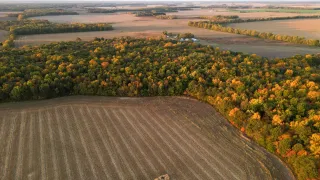
Buying Hunting Land in Hancock County Before Firearm Season: What Closes in Time and What Waits Until Spring
Buyers are asking whether a Hancock County hunting tract can close in time for firearm season. Jared covers the timeline, title steps, and what November scouting shows. ...more
Recreational Land
October 26, 2026

Illinois River Bottom Waterfowl Property in Cass and Mason Counties: What Duck Hunters Must Verify Before Buying
Illinois River property looks best when the water is up. Here is what floodplain, levee district, and water control rights require a buyer to verify before closing. ...more
Recreational Land
October 26, 2026
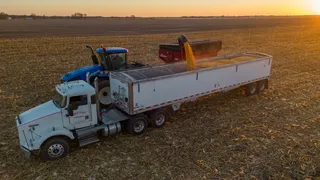
Buying Farmland at Auction in Illinois: How to Prepare for a Fall Sale Day
Fall auctions are listed across Scott, Morgan, and Coles counties. Jared lays out what to do before bid day when buying Illinois farmland at auction. ...more
Recreational Land
October 25, 2026
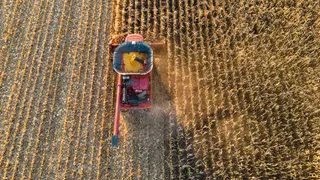
What Is Illinois Farmland Worth in Fall 2026? Reading the Adams, Brown, and Schuyler County Numbers
ISPFMRA puts western Illinois excellent ground near $15,400 per acre. Here is what those figures mean for Adams, Brown, and Schuyler County tracts in fall 2026. ...more
Recreational Land
October 25, 2026
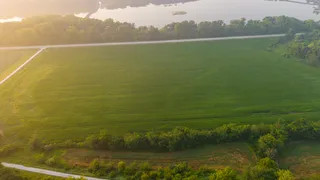
Selling Hunting Land in the Fall: Does Season Timing Change Your Price in Western Illinois?
Hunting land inquiries peak during deer season in western Illinois. Jared covers when to list, how auction compares to a listing, and what sellers must disclose. ...more
Recreational Land
October 24, 2026
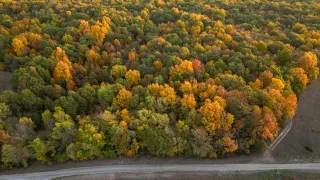
Hunting Lease or Buying Land in Adams County: What the Numbers Look Like for Deer Season
Adams County hunting leases are mostly spoken for. Hunters without a lease are weighing a purchase. Here is how per-acre lease cost compares to owning 40 acres. ...more
Recreational Land
October 24, 2026
Most People Get Sold on the Dream. Then They Close on the Wrong Ground.
Here's what smooth-talking brokers don't tell you before you sign.
Habitat and neighbors determine your success more than anything else about a property. It doesn't matter how good a hunter you are. If the animals aren't there — if the ground doesn't hold them, move them, or feed them — you're just sitting in the woods. And no amount of money fixes bad habitat after you've already bought it.
Most recreational land buyers get told what they want to hear. They walk a property in summer when everything looks green and promising. They see a food plot, a stand location, maybe a creek, and they feel it. They buy on feeling.
And then season opens and they wonder what happened.
The questions that actually matter are different. Where do the deer bed? Where do they come from and where are they going? What does the wind do in this terrain? Who owns the ground around it and how do they manage it? What does this property look like in February when the leaves are off and the truth shows up?
Those are the questions we ask before you ever make an offer.
13 Years. Thousands of Hours. Every Season. Every State.
Most brokers like to hunt. That's different from what I am.
Before real estate, I spent 13 years hunting professionally — producing content for the Outdoor Channel, traveling the country, managing properties specifically for hunting strategy, and spending more time in the field than 99.5% of people will in a lifetime. I wasn't watching other people hunt. I was on the ground. Reading sign. Testing theories. Understanding why animals do what they do in the specific terrain and conditions of the Midwest.
I've thrown away more footage than most brokerages will ever shoot.
That experience doesn't come from a blog or a certification course. It comes from thousands of mornings exactly like the one you're trying to buy. And it means that when I walk a piece of recreational ground in Illinois, I'm not looking at it like a transaction. I'm reading it the way a hunter reads it — because that's what I am.
That's what you're getting when you work with Archer Realty on recreational land.
Learn More About Jared →What Makes Recreational Ground in Illinois Actually Perform
Buying recreational land is not the same as buying a house. The value isn't in the structure — it's in what the property does. How it holds animals. How it moves them. What it produces season after season.
Here's what we evaluate on every recreational property — and what most buyers never ask about until it's too late.
Habitat Structure and Edge
Where timber meets field, where thick cover transitions to open ground, where bedding connects to food — these transitions are where animals live. A property without defined habitat structure is a property you'll fight every season.
Water
A reliable water source on your ground is an anchor. Properties without it depend entirely on neighbors — which means you don't control your own hunting.
Access and Wind
How you get to your stand without blowing out the property is as important as where the stand is. Bad access ruins good habitat. We map entry and exit routes before we ever talk price.
Neighbors and Pressure
The ground next to yours determines as much about your hunting as your own management. Heavy pressure on adjacent land pushes deer to survive, not to patterns. We research surrounding ownership before you commit.
Timber Value
Recreational ground with mature hardwoods has a financial floor beneath the hunting value. We evaluate timber structure, species, and long-term value as part of every recreational property assessment.
Improvement Potential
What could this property become with the right food plot layout, bedding enhancement, or habitat work? The gap between what a property is and what it could be is often where the real value lives.
We Don't Just List Hunting Land. We Understand It.
There's a difference between a broker who hunts on weekends and someone who spent over a decade in the field as a professional — managing habitat, reading terrain, and understanding why animals behave the way they do in the specific conditions of central Illinois.
That difference shows up in how we evaluate a property before you buy it.
It shows up in how we position a property before we sell it — because we know what a serious buyer is actually looking for and how to present ground in a way that speaks to them.
And it shows up in the conversations we have with clients who deserve to know the truth about what they're buying — not just what makes the deal easier to close.
Recreational land in Illinois is a significant investment. It deserves a broker who takes it as seriously as you do.
How We Approach Recreational Land — Buying and Selling
For Buyers
Define What You're Actually Looking For
Not just acreage and price. What do you want this ground to do? How do you plan to use it? What does success look like three seasons from now? We start here before we ever look at a listing.
Evaluate the Ground Like a Hunter
We walk properties with a different set of eyes than a standard real estate agent. We're reading habitat, access, neighbor pressure, and long-term potential — not just checking boxes on a features list.
Make the Decision With Complete Information
Before you make an offer you'll know what the property is, what it isn't, and what it could become. No surprises after closing.
For Sellers
Recreational land sells to buyers who feel it. That means the marketing has to put them on the property before they ever set foot on it.
Cinematic aerial footage, habitat documentation, wildlife history, and a presentation that speaks to serious buyers — not just anyone with a real estate license.
We know who buys this type of ground in Illinois. We know what they're looking for. And we know how to show them what they came to find.
What Clients Say
Jared helped me acquire my first farm. He did an excellent job of educating me on the property and then driving a quick close process. I found his knowledge and straight-forward approach to be exceptional. I would definitely work with Jared again.
— Geoff M., First Farm Acquisition
Jared really cares about taking care of his clients. He gives his honest opinion and is great at helping you through the process.
— Richard A., Property Transaction
He is honest, does what he tells you, just a wonderful person to do business with.
— Barbara G., Land Transaction
Current Recreational Properties in Illinois
Hunting land, timber tracts, and habitat-driven recreational properties across central and western Illinois.
View All Recreational ListingsThe Right Piece of Ground Changes Everything.
Whether you're buying your first tract or adding to what you already own — start with someone who understands what you're actually looking for.