The First Green in Your Woods Is Usually a Problem — What Illinois Landowners Need to Know About Honeysuckle
Catching It Early Is the Difference Between a Chemical Sprayer and a Skid Steer
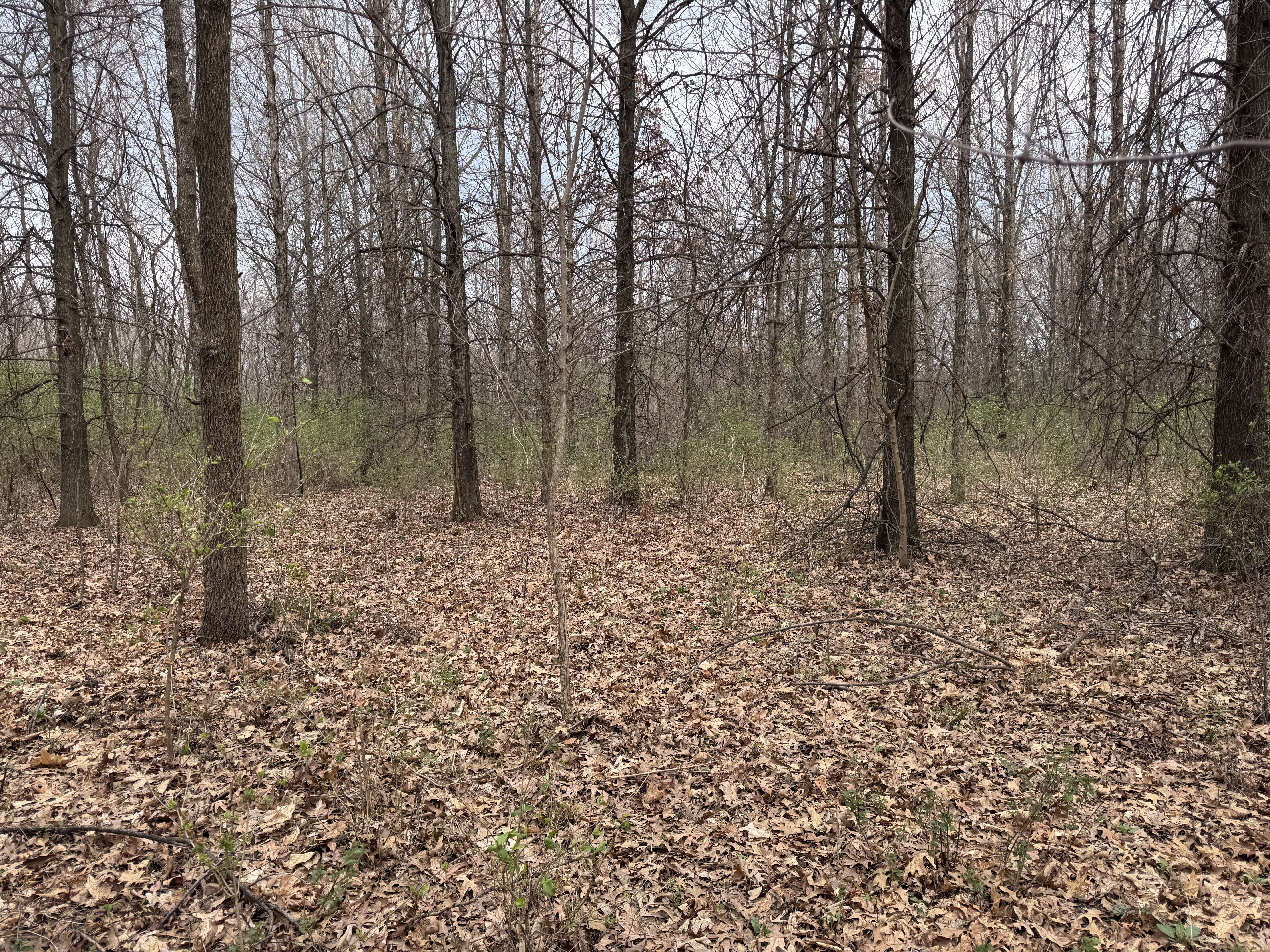
Most landowners see green coming back into their timber and feel good about it.
That's the problem.
The first green you see in your woods every year is not a sign that spring is arriving. In central Illinois — across Cass, Menard, Sangamon, Macoupin, Greene, Morgan, Fulton, and virtually every timbered county in the region — the first thing to green up is almost always honeysuckle. And honeysuckle is not a welcome sign. It's a warning one.
What Honeysuckle Actually Does to a Property
Bush honeysuckle is the most prolific invasive species on Illinois land. It leafs out earlier than native trees, holds its leaves longer into fall, and uses that extended growing season to establish a light advantage over everything below the canopy. In a woodland system, light controls everything. The plants that capture it first begin to dictate what happens underneath them.
Left unmanaged, honeysuckle does four things to a property that matter to every landowner — whether they're thinking about habitat, timber value, or what a buyer will see when they walk the ground.
It eliminates native understory. The plants and forbs that should be growing beneath your timber — the ones that support wildlife, hold soil, and contribute to the long-term health of the woodland — get crowded out. Honeysuckle doesn't share space. It takes it.
It reduces visibility. Thick honeysuckle growth turns open timber into a wall. Hunting setups that worked before become unusable. You lose the ability to see across your own property.
It tightens access. Areas that were once easy to move through become difficult and eventually impassable without a machine.
It signals neglect to buyers. When a buyer walks a property and has to push through head-high honeysuckle to see the timber, they're already calculating the cost of the problem before they've looked at anything else. That calculation comes out of your number.
The Window Most Landowners Miss
Here's the part that matters most — and the part most landowners get wrong.
There is a window every year where honeysuckle is manageable. It's short. And most people drive past it without stopping.
When honeysuckle is young — small plants, first or second year growth, stems you can wrap your hand around — a targeted chemical application handles it effectively. No heavy equipment. No significant expense. A backpack sprayer and the right herbicide at the right time of year takes out young honeysuckle before it establishes.
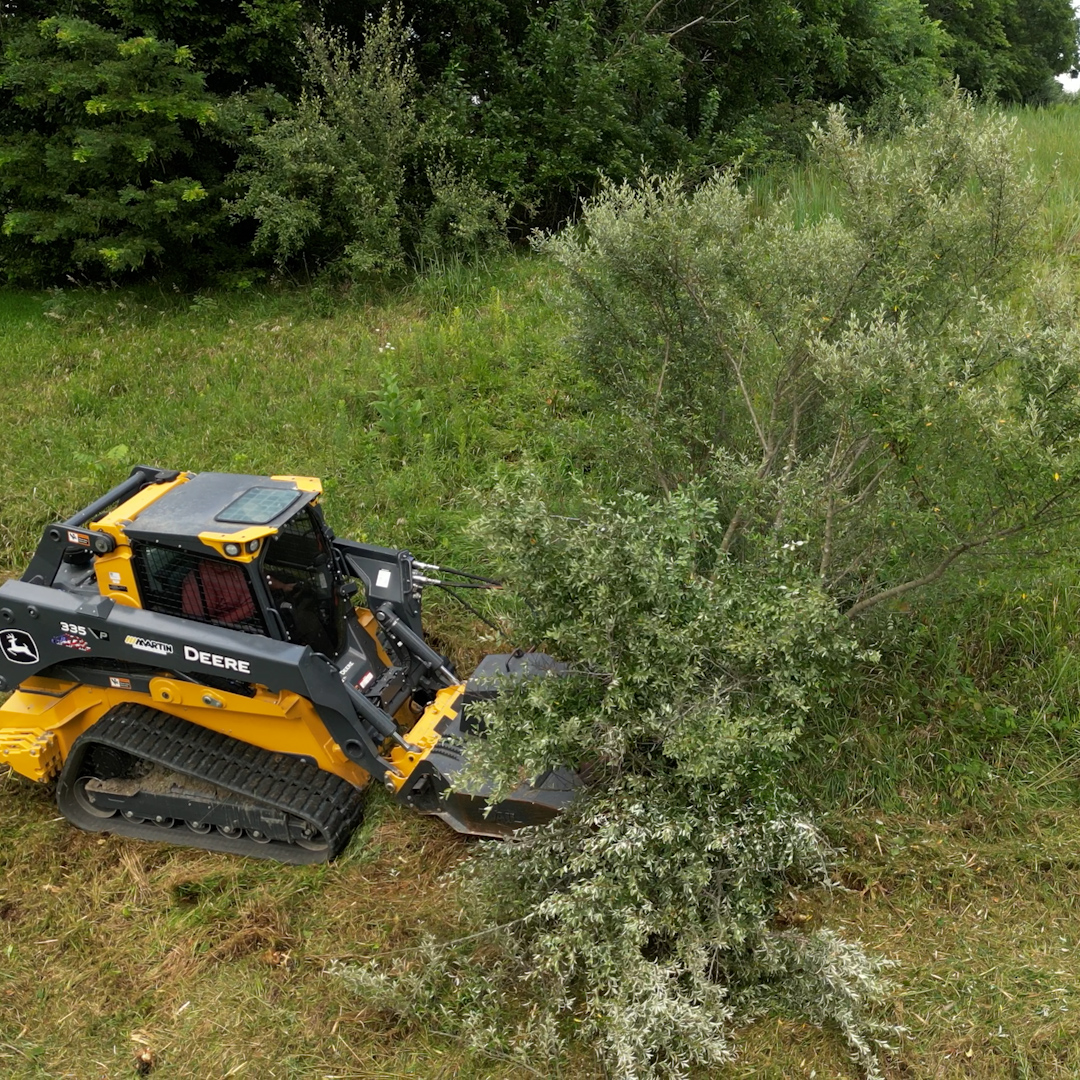
Wait a year. Come back and the plant is bigger. Wait another year and it's branching, thickening, producing berries that birds are already distributing to other parts of your property. Wait five years and you're not spraying anymore. You're calling someone with a skid steer and a mulcher.
The cost difference between those two interventions is not marginal. It's the difference between an afternoon and a week of machine time. Between a few hundred dollars and a bill that makes landowners wish they'd acted when the plant was still small enough to step on.
What It Looks Like When You've Waited Too Long
I've worked on properties across central Illinois where honeysuckle had been running unchecked for years. What that looks like on the ground is not subtle.
Shrubs bigger than a full-size truck. Canopy so dense that native trees planted intentionally decades ago are struggling to survive underneath. Ground that was once open, accessible, and functional — turned into something that takes a machine with a mulching head to reclaim.
The equipment fixes it. But the equipment is expensive, the timeline is long, and the native understory that was lost over those years doesn't come back overnight. The property gets set back further than most landowners realize until they're standing in the middle of it.
That's the outcome of waiting.
What Early Intervention Actually Looks Like
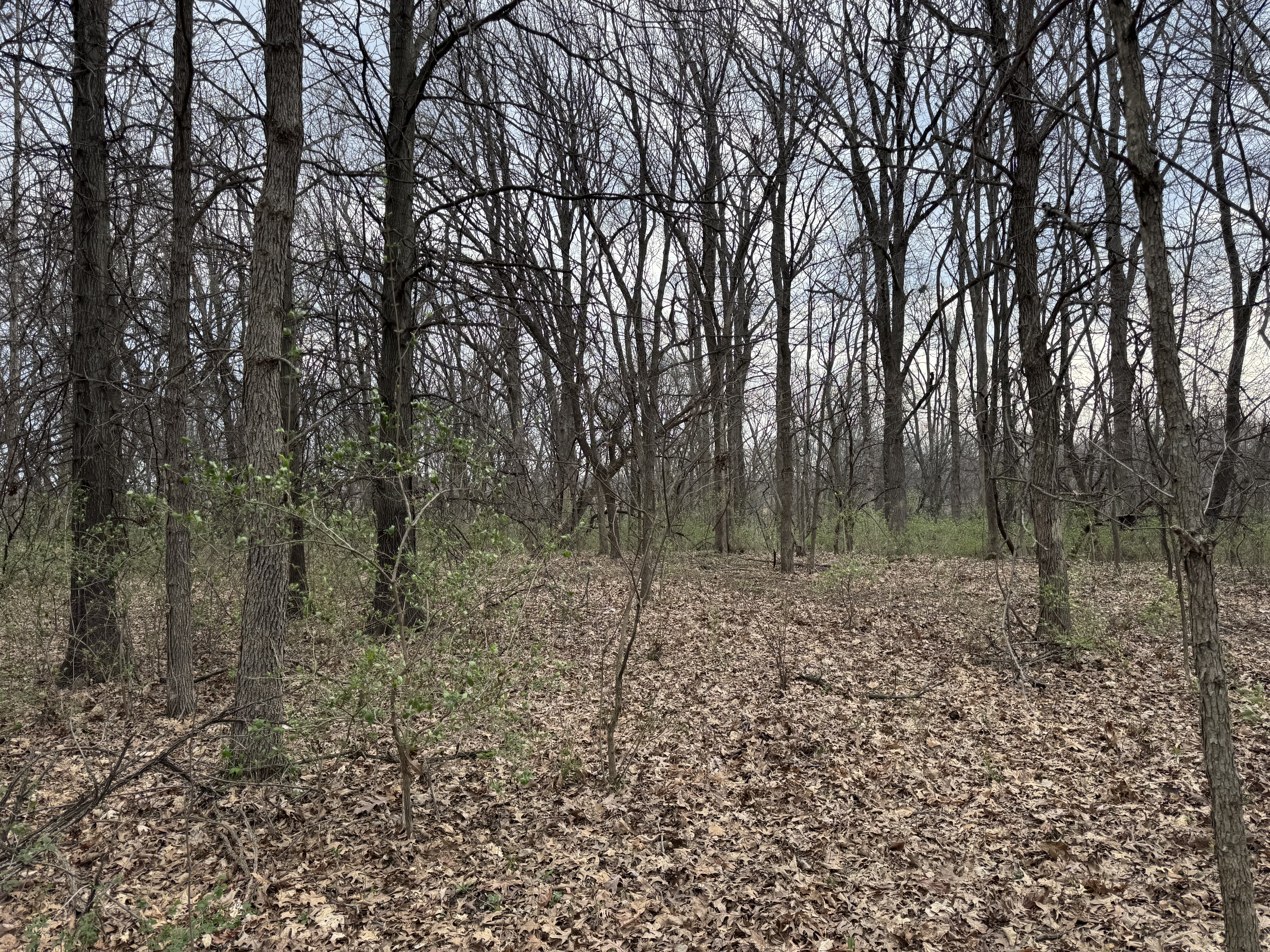
The video that accompanies this article was filmed on a property in central Illinois during active invasive identification. What you're looking at in the early footage is young honeysuckle — plants that don't look threatening yet. Small, low to the ground, easy to overlook when you're walking a property in a season when everything is starting to green up.
That's exactly the stage where action is both easiest and most effective.
A foliar herbicide application — glyphosate or triclopyr depending on the site conditions — applied directly to young honeysuckle at the right growth stage is one of the most cost-effective land management tools available to Illinois landowners. It requires no permits, no large equipment, and no significant labor beyond the time to walk the property and treat what you find.
The key is timing and recognition. You have to know what you're looking at. And you have to act when you see it — not when it becomes impossible to ignore.
Why Central Illinois Is Particularly Vulnerable
Honeysuckle thrives in the conditions that define central Illinois timber. Partial shade, disturbed soil, and fragmented woodland edges are ideal habitat. The same conditions that make this region productive for deer, turkey, and other wildlife also make it hospitable to honeysuckle establishment.
Once it's in — and in most central Illinois timber it's already in — the question is not whether you have it. The question is what stage it's at and whether you're ahead of it or behind it.
The landowners who stay ahead of it walk their timber with intention. They know what honeysuckle looks like in February and March when it's the only thing showing color. They treat it when it's small. They come back the following year and treat what comes back. Over time the pressure decreases and the native woodland begins to reassert itself.
The landowners who fall behind stop noticing because it blends in. By summer it looks like everything else. And then one year they walk a section they haven't been through in a while and realize they've lost it.
The Connection to Land Value
This isn't just a habitat conversation. It's a value conversation.
Recreational land in Illinois is evaluated by buyers on function — access, visibility, habitat quality, and the overall condition of the timber. A property that's been managed well commands attention and justifies its price. A property where invasives have been allowed to take over gives buyers a reason to negotiate down or walk away.
The landowners who understand this manage proactively. Not because they're planning to sell next year — but because they understand that a well-managed property is worth more, functions better, and costs less to maintain over time than one that's been allowed to drift.
Honeysuckle is one of the clearest indicators of how a property has been managed. A buyer who knows what they're looking at will see it immediately. A seller who hasn't addressed it will feel it in the offer.
What to Do Right Now
If you own timber in central Illinois — recreational ground, a farm with wooded areas, or any property with a woodland component — here's what to do.
Walk your timber when the first green appears. Before native trees leaf out, before the canopy fills in. That window is when invasive species are most visible and when they're easiest to positively identify.
Look low. Honeysuckle establishes at ground level and shrub height before it reaches the canopy. You're looking for green when everything around it is still dormant.
Act on what you find. Small plants, chemical treatment. Established shrubs, assess the scope and make a plan. Don't walk past it and tell yourself you'll deal with it next year. Next year it will be bigger, more established, and more expensive to address.
If you're not sure what you're looking at — or you want a professional assessment of where your property stands — that's a conversation worth having before the problem gets ahead of you.
This Is Part of a Larger Series
This article and the accompanying video are the first in a land management series documenting invasive species identification and removal on working properties across central Illinois. Upcoming content covers autumn olive, before and after clearing, what a property entrance communicates to buyers, and long-term estate stewardship on a generational farm.
If you own land in Illinois and want to understand what your property is doing — and what to do about it — follow along.
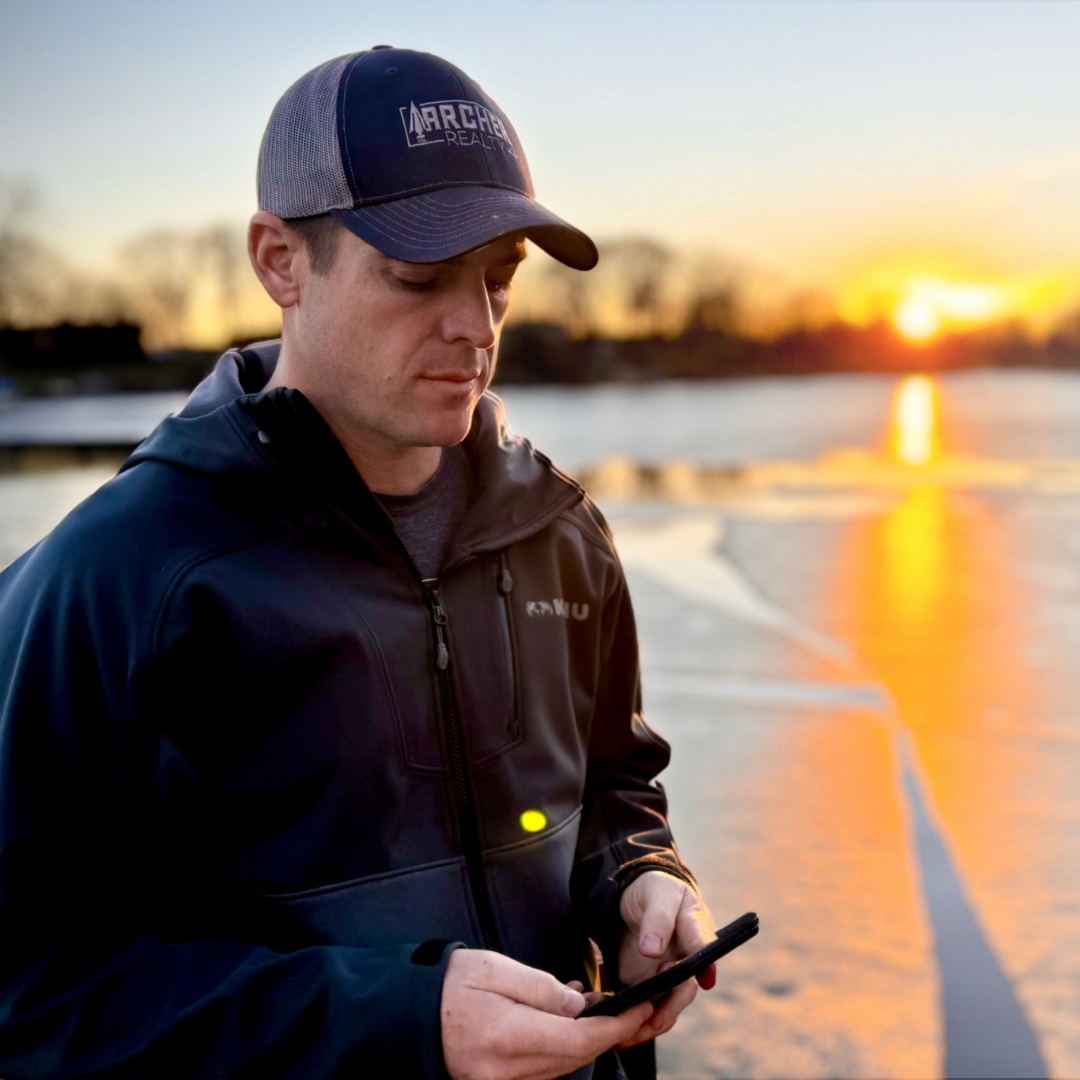
Jared Williams is the Managing Broker of Archer Realty, a land and rural property brokerage serving central and greater Illinois. He is a landowner, farmer, and licensed auctioneer who works on properties across Cass, Menard, Sangamon, Macoupin, Greene, Morgan, Fulton, and surrounding counties. Archer Realty specializes in agricultural, recreational, commercial, residential, and estate real estate throughout Illinois.
View current land listings or request a property evaluation at archerrealty.net.


