What Actually Makes Hunting Land Valuable in Illinois?
What Actually Makes Hunting Land Valuable in Illinois?
If you are buying or selling hunting land in Illinois, one of the most important questions you can ask is:
What actually determines the value of this property?
Not what a listing suggests.
Not what someone hopes it is worth.
But what truly drives value from a landowner and operator’s perspective.
I approach this differently than most brokers.
I am not just selling land. I own it, manage it, and make decisions on it as an investor and farmer. That changes how you evaluate property.
In this article, I’ll walk through what actually makes hunting land valuable in Illinois based on real-world experience.
Location Is About the Surrounding Ecosystem
In residential real estate, location often means proximity to towns or schools.
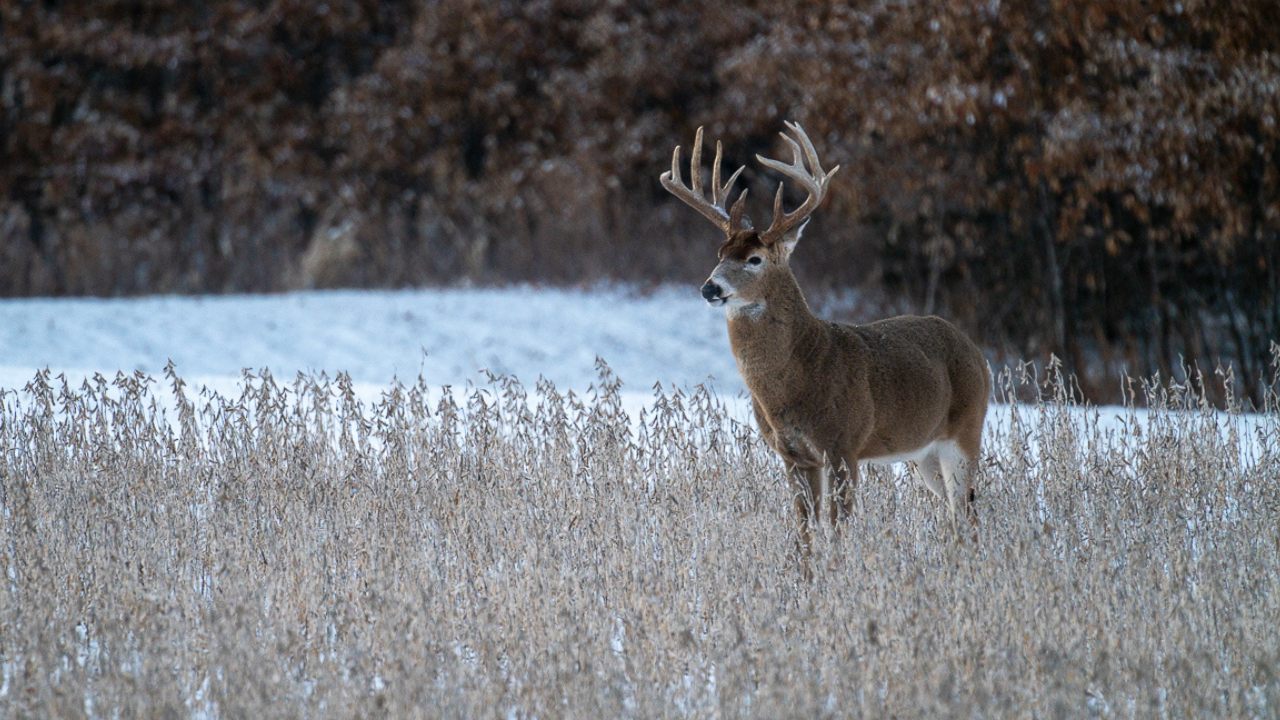
With hunting land, location is about the ecosystem surrounding the property.
What matters:
Nearby row crop production (corn and soybeans)
Large blocks of timber vs fragmented ground
Hunting pressure in the surrounding area
Access to water and natural travel corridors
A property is not isolated.
Its performance is directly tied to what surrounds it.
Habitat Quality Determines Holding Power
A property must be able to hold deer consistently, not just attract them occasionally.
Key factors I evaluate:
Bedding cover and security areas
Timber diversity (not just mature woods)
Edge habitat where transitions occur
Natural funnels that control movement
A common mistake is overvaluing “good looking timber.”
In reality, many properties require active habitat work to reach their full potential.
Food Sources Drive Consistency
Deer will not stay where they cannot consistently feed.
Strong hunting properties typically benefit from:
Adjacent crop ground (corn and soybeans)
Established food plots
Natural browse and cover
If food is lacking, it can be developed—but that becomes a cost and management decision.
This is where ownership experience matters.
Water Is a Force Multiplier
Water is one of the most overlooked drivers of land value.
Properties with:
Creeks
Ponds
Developed water holes
…tend to hold wildlife more consistently and perform better during dry conditions.
Water creates reliability, and reliability increases value.
Access Strategy Separates Average from Elite Properties
Most buyers evaluate whether they can access a property.
Experienced operators evaluate whether they can:
Access the property without being detected.
Critical factors:
Entry and exit routes based on wind direction
Road placement and approach angles
Ability to hunt without pressuring bedding areas
Poor access can significantly reduce the functional value of otherwise good land.
Property Layout and Usable Acres
Not all acres contribute equally to hunting performance.
Things I analyze:
Property shape (long vs balanced tracts)
Internal layout of timber, food, and water
Percentage of land that is actually huntable
A smaller, well-designed property can outperform a larger tract with poor layout.
Hunting Pressure in the Surrounding Area
You are not hunting a single property.
You are hunting within a broader environment that includes neighboring landowners.
Important considerations:
Frequency of hunting pressure nearby
Presence of managed or unmanaged ground
Nearby sanctuary-type areas
This directly impacts deer movement, daylight activity, and long-term value.
Genetics and Age Structure
This is an advanced factor, but it absolutely plays a role.
Certain regions in Illinois consistently produce:
Larger body deer
Strong antler development
Higher percentages of mature bucks
You will see patterns such as:
Consistent 10-point frames
Long brow tines
Unique traits like splits or palmation
This is influenced by:
Genetics
Habitat quality
Age structure and pressure
Areas with a proven track record of producing quality deer carry stronger long-term demand.
Trail Camera Data and Documentation
One of the most powerful tools when evaluating or selling land is documentation.
Specifically:
Trail camera photos
Video footage
Historical deer activity
Having evidence of:
Mature, living deer on the property
…can directly impact buyer confidence and perceived value.
If you are even considering selling in the future, documenting your property should start now—not when you decide to list.
Improvement and Management Potential
Very few properties are perfect at the time of purchase.
What matters is the upside potential.
I evaluate:
Food plot expansion opportunities
Water development potential
Habitat improvement options
Access improvements
In many cases, value is not just found—it is created through management.
Common Mistakes Buyers Make
Across Illinois, I consistently see buyers:
Overvalue timber without understanding habitat
Ignore access strategy
Fail to evaluate surrounding pressure
Overlook genetics and deer quality
Lack documentation of wildlife activity
These mistakes affect both enjoyment and long-term value.
What Hunting Land Value Really Comes Down To
At a fundamental level, valuable hunting land comes down to one thing:
The ability to consistently hold, grow, and hunt quality deer effectively.
Everything else—location, habitat, food, water, access—supports that outcome.
Final Thoughts
If you are buying or selling hunting land in Illinois, you need to evaluate it beyond surface-level features.
Look at the property the way an operator would:
How does it function?
What does it produce over time?
What can it become with the right management?
That is how informed decisions are made.
About the Author
Jared Williams is the Managing Broker of Archer Realty, specializing in agricultural, recreational, and rural property across Central, Eastern, and Western Illinois. He is a landowner, farmer, and property investor who actively manages and improves the properties he owns, providing real-world insight into land value and long-term property strategy.