What Makes Central Illinois Hunting Land Worth the Price — and What Doesn't
Not all recreational ground in Illinois is equal. Here's how to tell the difference before you spend a dollar.
Habitat Structure Is Everything
The first thing to understand about recreational land value in central/western Illinois is that acreage is almost irrelevant without habitat structure.
Habitat structure is the physical arrangement of the land — where timber meets field, where thick cover transitions to open ground, where bedding connects to food, where water exists relative to travel corridors. These transitions are where deer live and move. A property without defined habitat structure is a property you will fight every single season regardless of how many acres it covers.
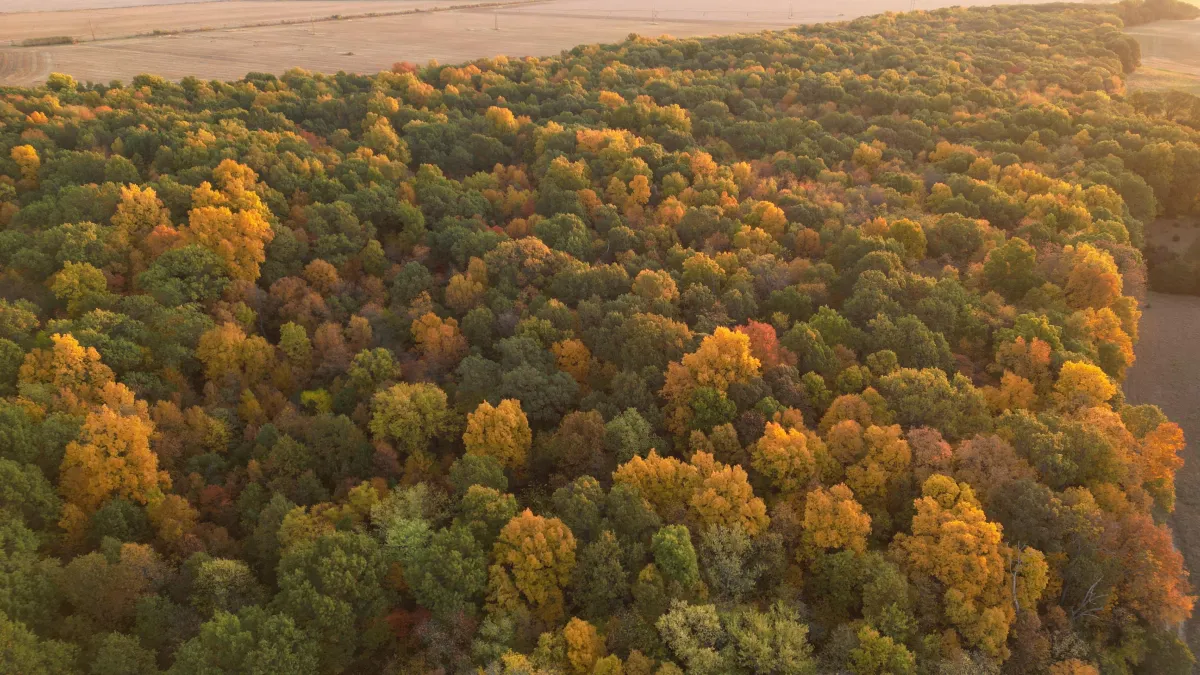
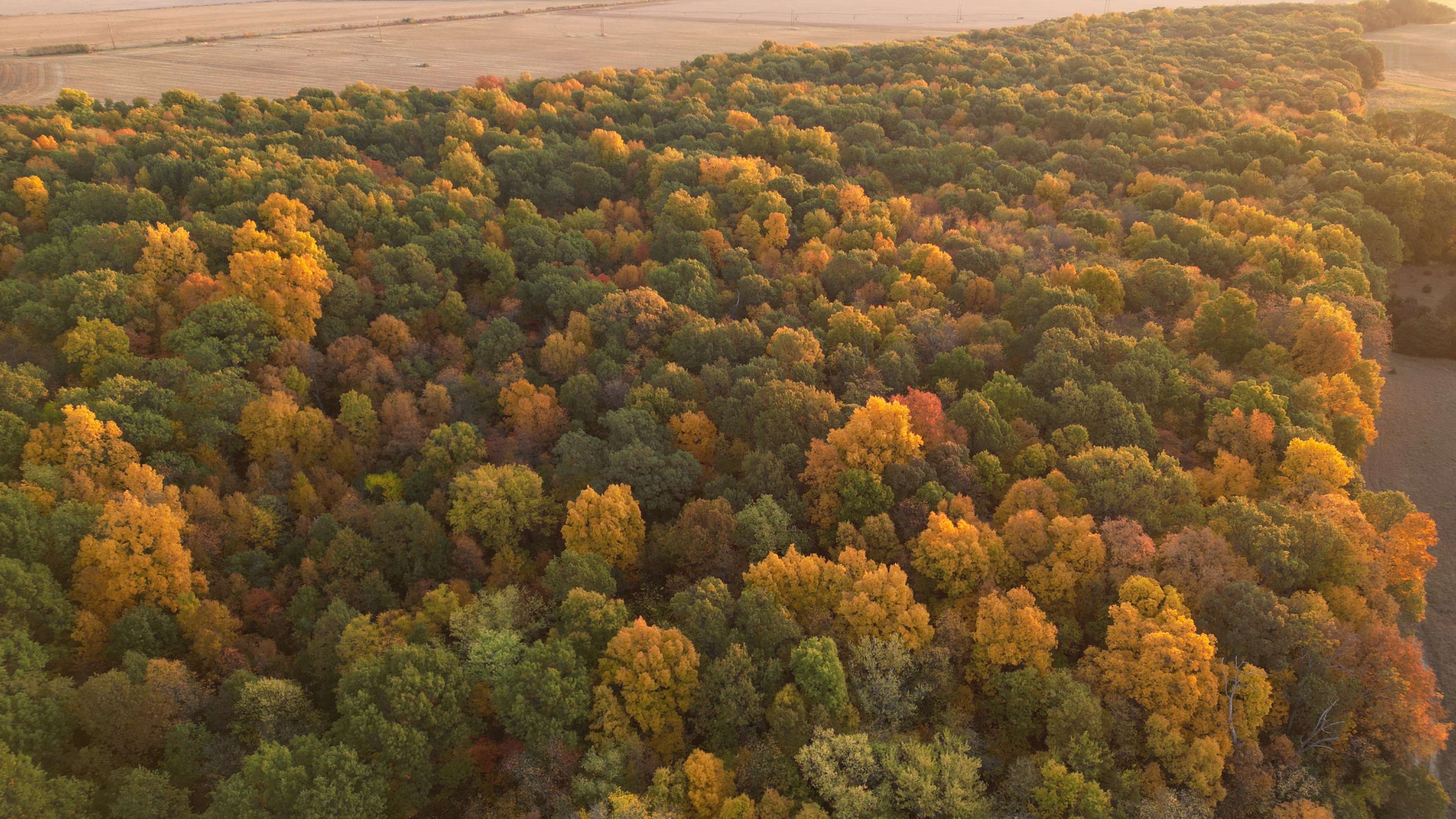
The most valuable recreational ground in central/western Illinois has a mix of mature timber, transitional edge cover, open ground for food plots or natural food sources, and reliable water. When those elements exist in the right relationship to each other — bedding close to food, travel corridors protected from prevailing winds, water on the property rather than dependent on a neighbor — the ground holds animals. It produces.
When those elements are absent or poorly arranged the ground becomes a travel corridor between places deer actually want to be. That distinction doesn't show up on a price sheet. It shows up in your trail camera footage after the first season.

Neighbor Pressure Is the Variable Most Buyers Ignore
Experienced buyers research the neighboring properties before they fall in love with the one they're looking at.
Neighbor pressure — the hunting intensity on adjacent land — determines as much about a property's performance as its own management. A property that borders un-hunted timber or CRP ground will produce differently than the same property bordered by a heavily pressured public access area or a neighbor who runs drives during gun season.
Deer respond to pressure by changing their patterns. Heavy pressure pushes deer to nocturnal movement and survival behavior. It compresses the windows of daylight activity that make hunting possible. And it can undo years of property management in a single season. Ask me how I know.
When evaluating recreational land in central Illinois, the question is not just what this property is. The question is what surrounds it — and who manages it. That's a question you can answer before you make an offer.
The Productivity Index Matters Even on Recreational Ground
Illinois farmland has a soil productivity index — a numerical rating of soil quality that determines how much a given acre can produce agriculturally. Most recreational land buyers never ask about it. They should.
Recreational ground in central Illinois with a meaningful percentage of tillable acres attached has a financial floor beneath the recreational value. That tillable ground represents a real asset that affects long-term value independent of what the hunting produces in any given year.
Understanding the productivity index on a mixed-use property gives you a clearer picture of what you're actually buying — the recreational value plus the underlying agricultural potential. Ask what the PI is. Ask how many tillable acres exist even if they're not currently farmed. Ask what the timber is — species, age, condition. That information changes the conversation from what this property feels like to what it's actually worth.
What Central/Western Illinois Counties Actually Produce
The river bottom counties — Cass, Morgan, Scott, Brown, Pike — offer the kind of terrain diversity that holds deer and turkey year-round. Rolling hills, timber transitions, agricultural fields feeding into thick cover, creek bottoms that concentrate wildlife movement. This is historically some of the best whitetail ground in the state.
The flatter agricultural counties in central Illinois produce deer but require more intentional habitat management to hold them. Without natural terrain features to concentrate movement, the property itself has to create the structure. Food plots, hinge cut bedding cover, managed timber edges — those features become the primary driver of whether deer use the property or travel through it.
Understanding which type of ground you're looking at — terrain-driven habitat or management-driven habitat — tells you what the property requires from you as an owner.
The Question to Ask Before Every Recreational Land Purchase
Before you make an offer on recreational ground in central Illinois, ask one question most buyers never ask.
What does this property look like in February?
Not in August when the cover is full and everything looks green and promising. February. When the leaves are off, the corn is cut, the pressure from the season has settled, and the truth of the property is visible.
February tells you where the timber actually sits relative to the fields. It shows you whether the edge cover is functional or just thick brush with no structure beneath it. It reveals the access routes and whether you can hunt this ground without blowing it out on entry. It also compresses everything. Timber feels huge when the leaves are on but you quickly realize how tight things can actually get when they fall.
The properties that look the same in February as they do in August are the ones worth buying. The ones that look completely different are telling you something important about what you'd be managing for the next decade.

Jared Williams is the Managing Broker of Archer Realty. He spent 13 years hunting professionally, manages recreational properties across central Illinois, and evaluates hunting ground the way a serious buyer should — habitat, access, neighbor pressure, timber value, and long-term potential. Start the conversation at archerrealty.net.


