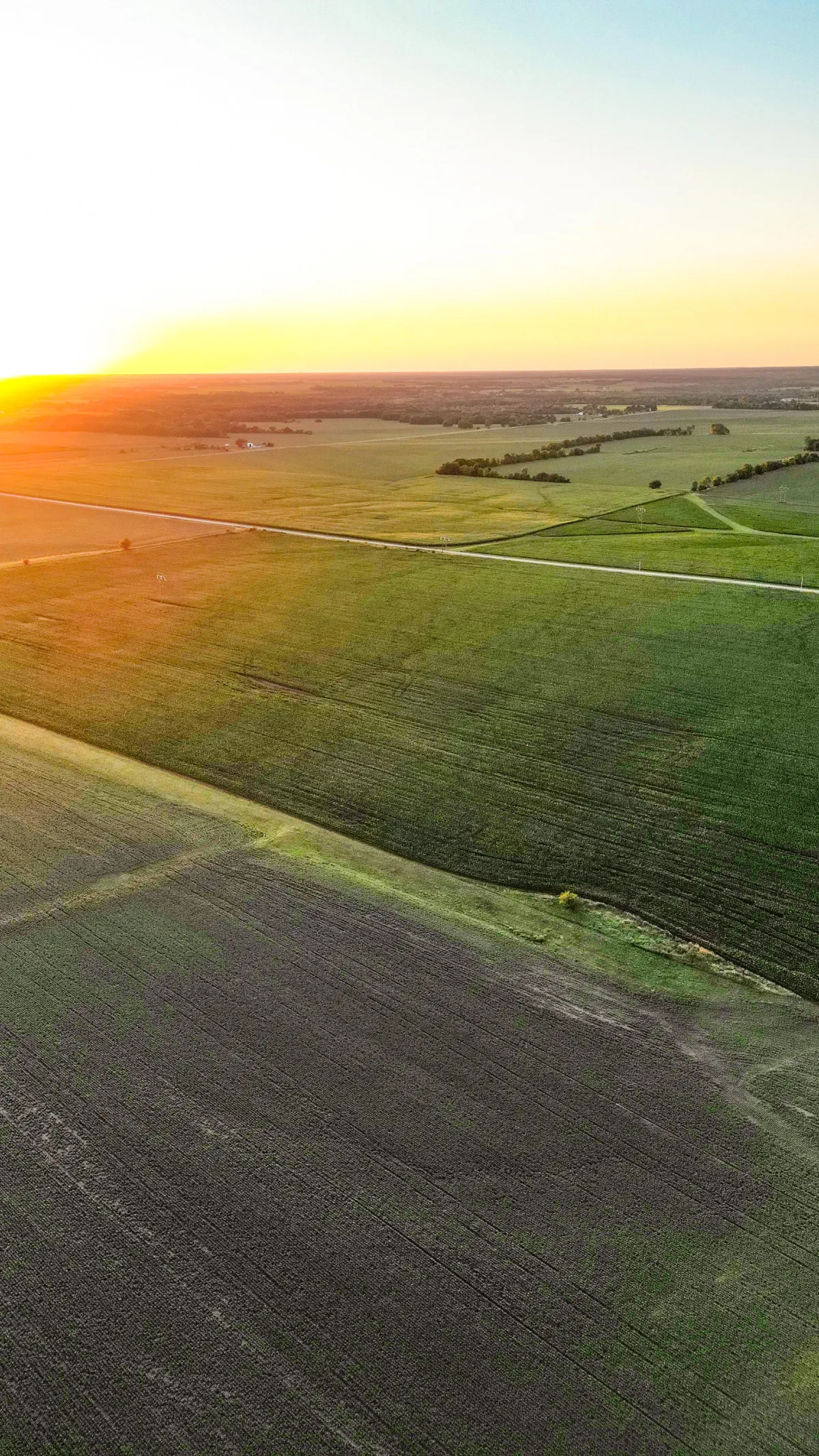
Should You Sell Farmland Right Now in Illinois?
How market conditions, farm margins, and generational decisions are shaping what landowners do next
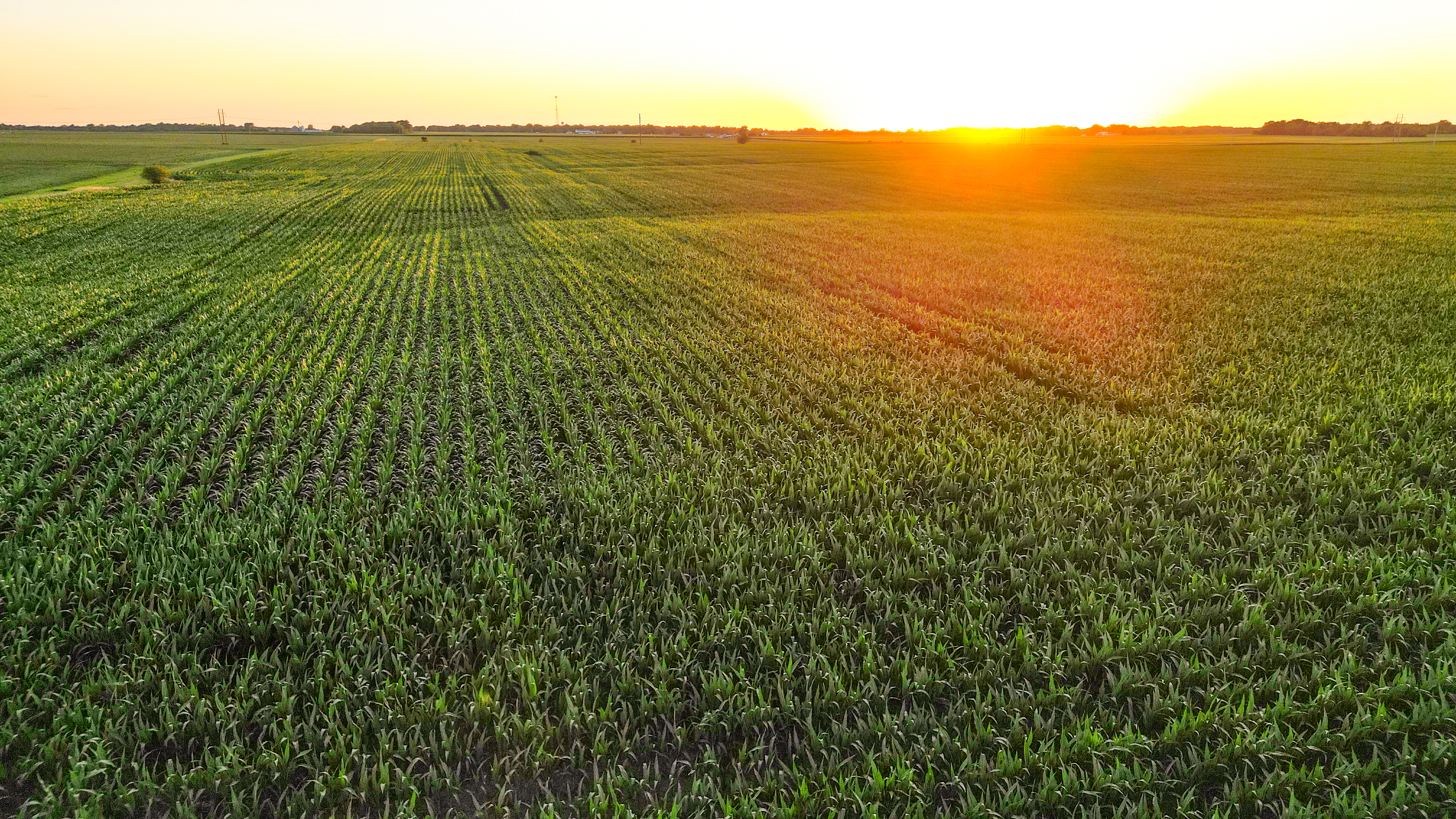
It is one of the most common questions landowners are asking right now:
Should I sell my farmland?
The answer is not the same for everyone, but the environment today is different than it was even a few years ago. Understanding what is happening in the market—and how it applies to your situation—is what matters.
Land Values Have Remained Strong
Across much of Illinois, farmland values have held at historically strong levels.
Demand is still present from:
Investors
Farmers looking to expand
Buyers seeking long-term stability
In many cases, well-positioned farms are still selling at strong numbers.
But land value alone does not tell the full story.
Farm Margins Are Tightening
While land prices have remained strong, farm profitability has come under pressure.
Farmers are dealing with:
High input costs
Equipment expenses
Commodity price fluctuations
Reduced margins
This creates a situation where:
The asset is strong, but the income it produces is tighter.
That gap is starting to influence decisions.
Timing Matters More Than It Used To
There was a time when holding farmland was the default decision.
Today, timing plays a bigger role.
Some landowners are choosing to sell while:
Values are still strong
Demand is still active
Market conditions are favorable
Others are choosing to hold, especially if:
The land is paid for
It is generating consistent income
There is a long-term family plan
There is no universal answer—but there is a need for clarity.
Generational Decisions Are Changing
One of the biggest factors right now is generational transition.
In the past, farmland was almost always passed down.
That is not always the case anymore.
Some families are facing questions like:
Does the next generation want to farm?
Does the operation make financial sense long-term?
Is it better to sell and simplify?
I have worked with landowners who made the decision not to transition the farm, even when they could have.
That is a shift.
Location Still Matters More Than Anything
Not all land is valued the same.
Two properties ten miles apart can have very different outcomes based on:
Soil quality
Access
Location
Local demand
How the property is set up
Before making any decision, it is important to understand how your specific property fits into the current market.
What Selling Looks Like Today
Selling farmland today is not just about putting it on the market.
It involves:
Positioning the property correctly
Understanding buyer types
Choosing the right method (listing vs auction)
Timing the market
The difference between an average result and a strong result often comes down to strategy.
When Selling May Make Sense
Selling may be worth considering if:
There is no clear next generation taking over
The land is no longer part of a larger operation
You want to take advantage of current values
You are simplifying or transitioning assets
When Holding May Make Sense
Holding may make sense if:
The land is producing steady income
It fits into a long-term family plan
There is low financial pressure
You are focused on long-term appreciation
Final Perspective
This is not a market where you make decisions based on headlines.
It is a market where you make decisions based on:
Your goals
Your financial position
Your long-term plan
Farmland remains a strong asset.
But the right decision is not the same for every landowner.
About the Author
Jared Williams is the Managing Broker of Archer Realty, specializing in agricultural, recreational, and rural property across Central, Eastern, and Western Illinois. As a landowner, farmer, and property investor, he works directly with landowners to evaluate property, understand market conditions, and make informed decisions around selling and ownership strategy.