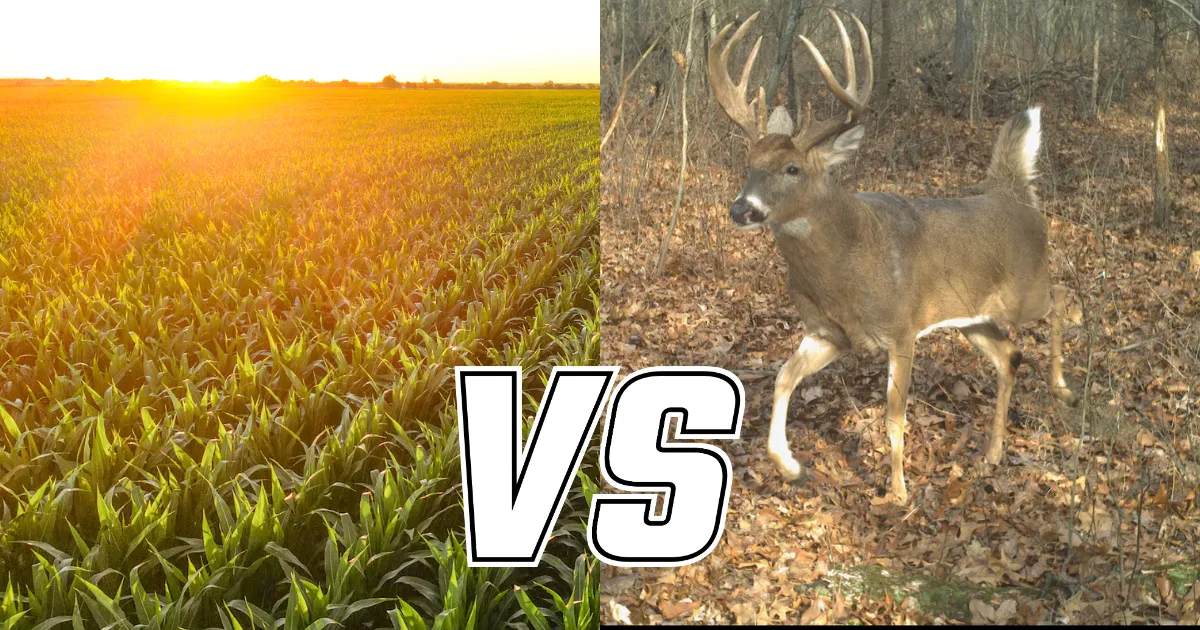
Why Recreational Land Taxes Are Higher Than Farmland in Illinois
Understanding productivity index (PI), state assessments, and how land classification impacts your long-term ownership costs
If you own land in Illinois, one of the most important—and most misunderstood—factors affecting your property is how it is taxed.
Not all land is treated the same.
And one of the biggest differences exists between:
Tillable farmland
Recreational land
Understanding how each is assessed is critical, especially if you are evaluating ownership costs, buying land, or deciding whether to sell.
The Key Difference: Productivity vs Market Value
In Illinois, farmland is not taxed based on what it would sell for.
It is taxed based on productivity.
Recreational land, on the other hand, is typically taxed based on market value.
That one distinction changes everything.
How Tillable Land Is Actually Assessed
Tillable farmland in Illinois falls under the state’s Farmland Assessment Law.
This system is designed to value farmland based on its ability to produce income—not its sale price.
At the center of this system is something called:
Productivity Index (PI)
The Productivity Index (PI) measures how productive a soil type is for farming.
Higher PI = better soil = higher potential yield
Lower PI = lower productivity
Each soil type across Illinois has a PI rating assigned to it.
The State Sets the Productivity Value
Here’s where most people misunderstand the system.
The State of Illinois sets the value of farmland, not the local market.
That value is based on:
Soil productivity (PI)
A statewide income model
A multi-year average of crop prices and yields
This creates a use-value system, where:
Land is taxed based on what it can produce—not what it can sell for.
Why This Matters
Because farmland values in the market can be very high…
But tax assessments remain tied to productivity.
That often results in:
Lower assessed values
Lower tax burden relative to market price
Recreational Land Is Treated Completely Differently
Recreational land does not fall under this system.
Instead, it is typically assessed based on:
Fair Cash Value (Market Value)
That includes:
Comparable sales
Buyer demand
Location
Property features
This Is Where the Gap Happens
Two properties:
Same acreage
Same general area
Can be taxed very differently:
Tillable farm → taxed on productivity
Recreational land → taxed on market value
The Result:
Recreational land often carries a higher tax burden relative to its use
Especially when:
It does not generate income
It is used for hunting or recreation
It is held long-term
This Is Not a Mistake—It’s the System
From the outside, it can feel inconsistent.
But this structure is intentional.
Illinois separates:
Income-producing agricultural land
Non-agricultural or market-driven land
Where Landowners Have Opportunity
Even though the system is structured this way, landowners are not without options.
The key is understanding how your land is classified—and whether parts of it could qualify differently.
Forestry and Timber Classification
If your property includes timber, one potential path is:
A formal forestry management plan
Active timber management
When properly documented and approved, portions of land may be evaluated differently depending on use.
Conservation Programs (What They Actually Do)
Programs such as:
Conservation Reserve Program (CRP)
Conservation Stewardship Program (CSP)
are federal programs that:
Encourage conservation practices
Provide payments in some cases
Improve long-term land quality
However:
They do not automatically change your tax classification.
Their impact depends on:
How the land is used
How it is documented
How it is reviewed locally
Local Assessment Still Matters
Even though the state sets farmland productivity values…
Property taxes are still administered locally.
That means:
County assessors
Boards of Review
play a critical role.
Real-World Perspective
Serving on the Board of Review in Menard County, I’ve seen:
How land classifications are applied
Where landowners misunderstand their assessments
Where opportunities are missed
In many cases, the issue is not the system.
It’s a lack of understanding of how the system works.
Why This Matters for Buyers and Sellers
This is not just a tax conversation.
It directly impacts:
Ownership cost
Investment return
Buyer demand
Property value perception
Buyers who understand this:
Evaluate property differently
Factor in long-term cost
Sellers who understand this:
Position their property more effectively
Anticipate buyer concerns
Final Perspective
In Illinois, farmland and recreational land are not taxed the same—and that difference is driven by one core principle:
Productivity vs market value.
Tillable land is assessed based on what it produces.
Recreational land is assessed based on what it sells for.
Understanding that difference is one of the most important things a landowner can do.
Because once you understand how your land is evaluated…
You can start making better decisions about how to manage it.
About the Author
Jared Williams is the Managing Broker of Archer Realty and serves on the Menard County Board of Review in Illinois. He specializes in agricultural, recreational, and rural property, helping landowners understand property value, classification, and long-term ownership strategy through real-world experience in land management and investment.