The Most Expensive Mistake Recreational Land Buyers Make in Illinois Has Nothing to Do With the Price
Trying to save money on the front end of a land purchase is the fastest way to spend it on the back end.
Most recreational land buyers in Illinois spend months researching the property they want to buy.
They study maps. They drive past it at different times of day. They look at aerial photos and try to read the timber. They talk to their hunting buddies. They ask their uncle who sold a property once what he thinks it's worth.
And then they try to navigate the purchase as cheaply as possible — because they've already spent so much mental energy getting here that the transaction feels like a formality.
That's where it goes wrong.
What Buyers Ask the Wrong People
There's a pattern I see consistently in recreational land transactions in Illinois.
The buyer has done real research on the property itself. He knows the acreage, the timber type, the water sources, the access points. He's thought about what he wants to do with it.
But when it comes to evaluating whether the price is right, whether the terms make sense, and whether there's anything that would make a sophisticated buyer walk away — he asks his neighbor. His buddy who hunted it once. His brother-in-law who bought a house.
None of those people know what comparable recreational ground in that county sold for in the last eighteen months. None of them understand how soil type, timber quality, and neighbor pressure affect long term value.
But they're available. And they're free. So the buyer listens to them.
The Real Cost of Cheap Guidance
A buyer purchases recreational ground in central Illinois based on the seller's asking price and his buddy's opinion that it seems fair. He closes. He's excited.
First season he realizes the deer pressure from the neighboring property is unsustainable. The bedding structure isn't what he thought. The access routes blow out the best areas before he ever gets to his stand. The pond he thought was a reliable water source dries up by August.
None of these things were hidden. They were discoverable. By someone who knew what to look for.
The cost isn't just financial — though it is financial. It's the seasons spent fighting a property that was never going to perform the way he imagined. It's the money spent trying to fix habitat problems a proper evaluation would have identified before he signed anything.
What the Right Evaluation Looks Like
Buying recreational land in Illinois is not the same as buying a house. The value isn't in the structure. It's in what the property does.
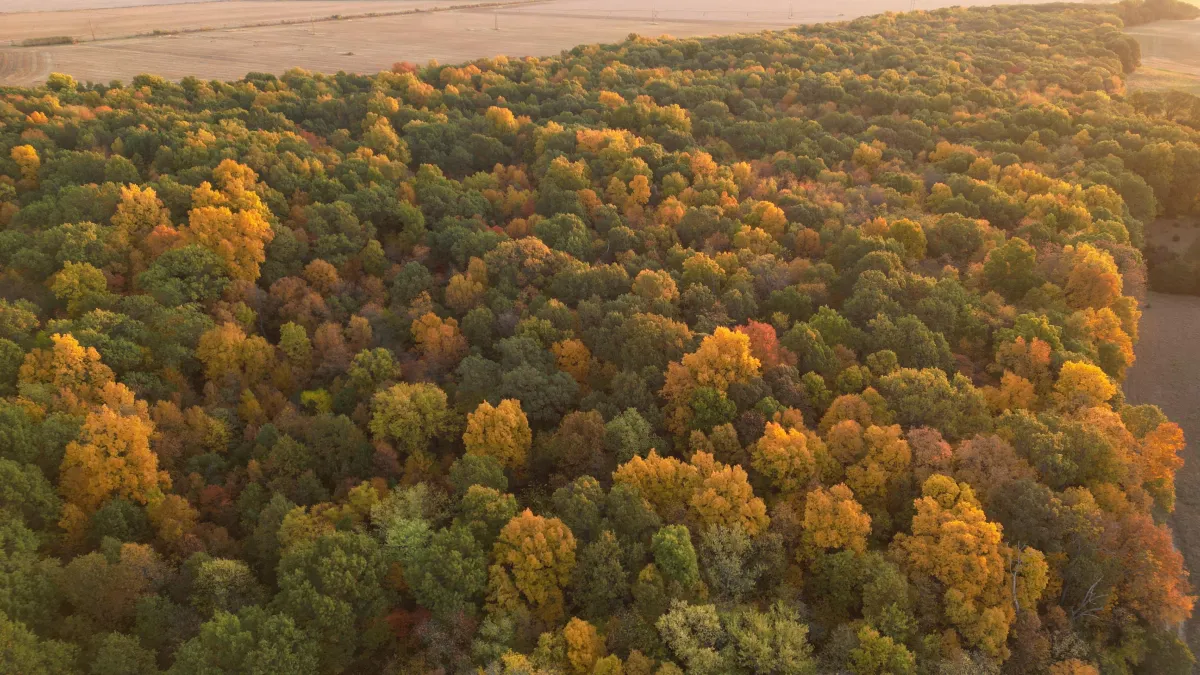
A proper evaluation covers things most buyers never think to ask about. Where do the deer bed and what does the wind do in this terrain. Who owns the neighboring properties and how do they manage them. What does the timber look like in February when the leaves are off and the truth shows up. Can you hunt this property without blowing it out every time you enter.
Those questions have answers. Getting to them requires someone who has walked enough recreational ground in Illinois to know what the answers mean — not someone who hunts a few weekends a year and has an opinion.
The cost of that expertise is not zero. The cost of not having it is significantly higher.
The Mindset That Gets in the Way
Most buyers who shortcut the evaluation process are doing it because of a mindset most of us were taught so early we don't recognize it anymore.
Save where you can. Don't spend what you don't have to. The cheapest path to the outcome is the smart path.
It isn't. Not on a purchase of this significance.
A recreational land buyer who invests in proper representation and evaluation on a $500,000 purchase is not being extravagant. He's being rational. The cost of getting it wrong on a half million dollar decision dwarfs whatever he thought he was saving by skipping the step.
What to Do Instead
Before you make an offer on recreational ground in Illinois — work with someone who has actually walked the kind of ground you're trying to buy. Not someone who sells real estate generally. Someone who hunts, manages habitat, understands the specific pressures and opportunities of central Illinois recreational ground, and will tell you the truth about what you're looking at whether it helps the deal or not.
That conversation costs nothing up front. The information it produces is worth significantly more than whatever you thought you were saving by skipping it.
The right piece of ground changes everything. Getting to it requires thinking clearly about what that decision is actually worth.
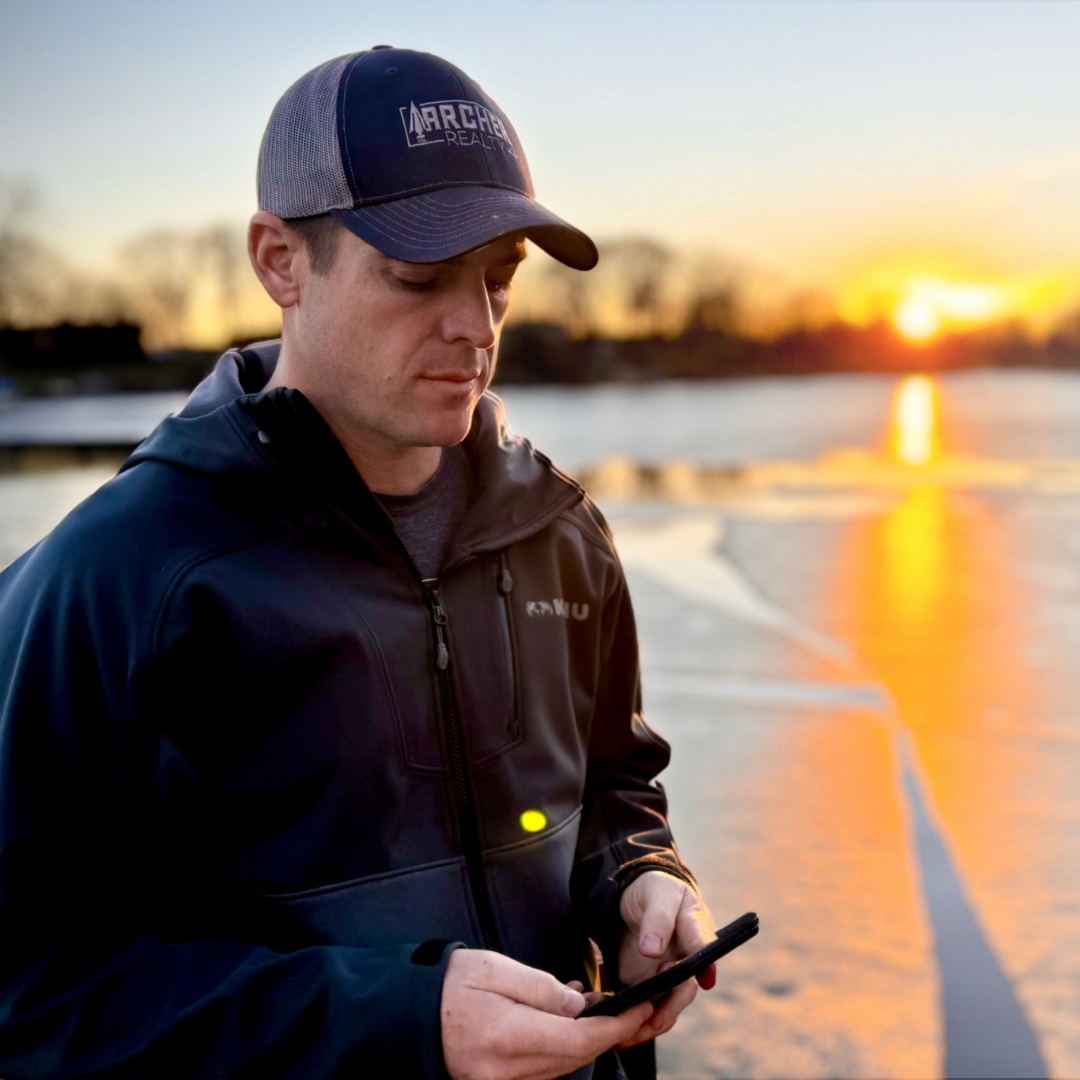
Jared Williams is the Managing Broker of Archer Realty. He spent 13 years hunting professionally and evaluates recreational ground the way a serious buyer should — habitat, access, neighbor pressure, timber value, and long term potential. Start the conversation at archerrealty.net.