What You're Really Passing Down Isn't the Land
Legacy Properties Are About More Than Inheritance. They're About What You Believed.
When I bought my first farm I remember sitting with it for a moment after the closing.
Not celebrating. Just sitting with it.
I had ground. Something that was mine. Something that could outlast me. And somewhere in that moment I started thinking about passing it down — about what it would mean for my kids, maybe their kids, to have a piece of Illinois ground that carried our name.
Then I asked myself a question that stopped me cold.
Pass it down for what? So my grandkids could sell it?
That question changed how I think about land. And it changed how I think about what legacy actually means.
The Difference Between Leaving Land and Leaving Something Worth Having
Most conversations about legacy property start and end with the asset. The acreage. The value. The tax implications of transferring it to the next generation. Those things matter and they deserve serious attention.
But they're not the most important part.
The most important thing you can pass down is not the ground itself. It's the reason you cared about it.
A family that inherits 200 acres of central Illinois timber without understanding why it was planted, what it was meant to become, and what it requires to stay that way — that family owns something. But they don't steward it. And there's a difference.
Stewardship requires a belief system. A set of values about what land is for, what it owes you, and what you owe it. That belief system doesn't transfer in a deed. It transfers in the conversations you have, the decisions you make in front of your kids, and the way you treat the ground while you're still alive to show them what that looks like.
A Property That Proves the Point
I've been working with a family in central Illinois for several years now. Third generation landowners. Large land holders by any measure. And over the decades they have made decisions with their ground that most people in agriculture would never make.
They've taken tillable fields — productive, income-generating ground — and converted them back to CRP and hardwood timber plantings. They've walked away from commodity income in favor of conservation. They've chosen habitat over yield, and wildlife over revenue, because that's what they believe land is for.
Most landowners want to squeeze every dollar they can out of their ground. This family has consistently done the opposite.
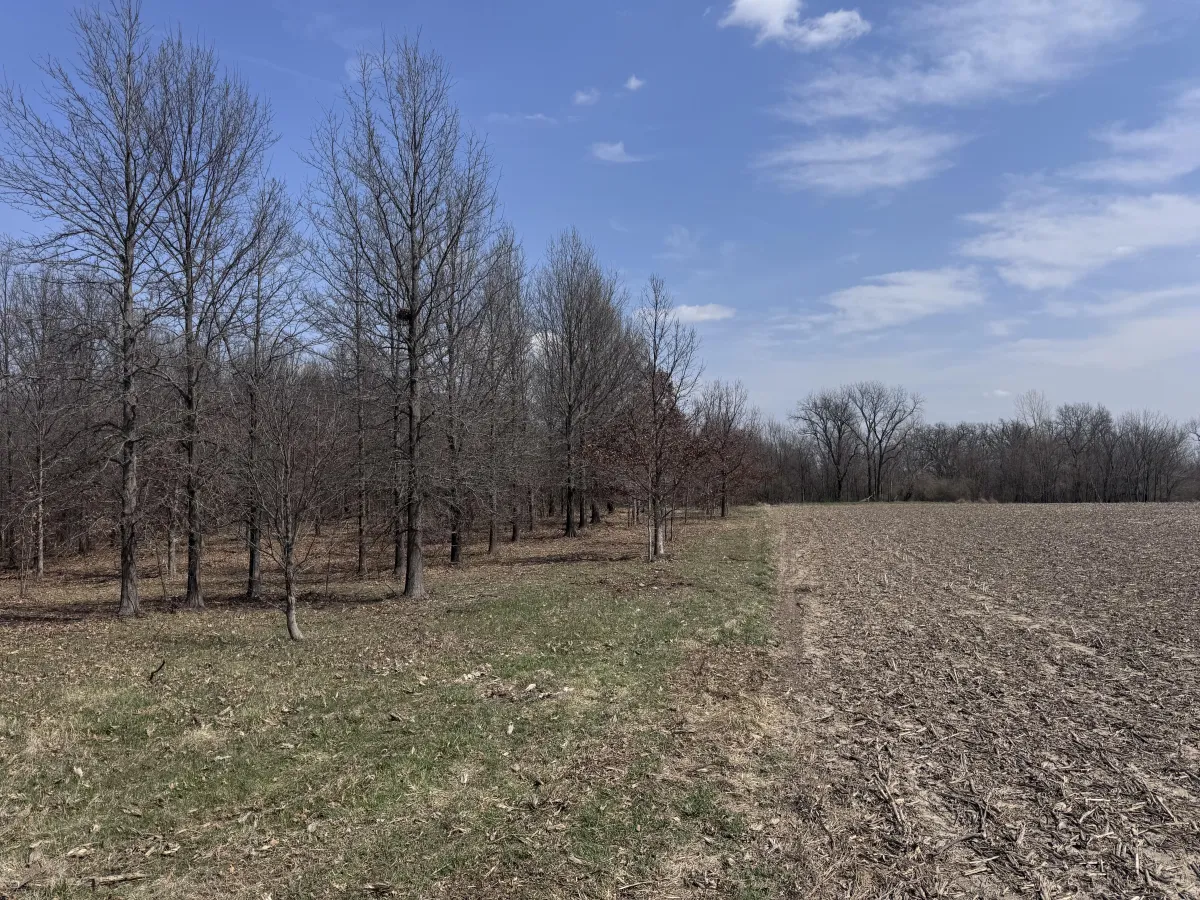
One of those timber plantings is now thirty years old. The original owner who made the decision to plant it is gone. But the trees are still there. Mature hardwoods on ground that used to be a cornfield. A decision made decades ago still standing in the form of timber, habitat, and ecosystem that wouldn't exist if someone hadn't chosen to think beyond their own lifetime.
That's not a financial strategy. That's a belief system expressed in the landscape.
What Happens When the Vision Gets Away From You
Legacy properties require active stewardship. The vision doesn't maintain itself.
On that same Cass County property, invasive species had been making ground for years. Honeysuckle and autumn olive moving through the timber planting, choking out the hardwoods the original owner had planted with intention. Areas that were supposed to be mature timber corridor had become dense invasive cover. The structure was being erased.
Not through neglect. Through the relentless pressure that any unmanaged natural system faces.
The family has been working to address it systematically — every year doing something to improve what they have, to push back against the drift, to keep the property moving in the direction the original vision pointed.
That ongoing commitment is itself the inheritance. The next generation isn't just receiving land. They're receiving a standard of care and a set of priorities that shape how you think about ownership.
That's the most valuable thing being transferred.
Inheritance Can Mean a Lot of Things
When people talk about passing land down they almost always mean the physical transfer of an asset. The deed changes hands. The ownership passes. The next generation has something they didn't have before.
But there are two kinds of inheritance and only one of them shapes a family.
The first is material. The land, the structures, the financial value embedded in the ground. That transfer happens at closing or through an estate. It's transactional. It has a date on it.
The second is something different. It's the values, the beliefs, the way of seeing the world and your place in it that gets transmitted not through documents but through observation. Through watching your father walk a property and explain why he made the decisions he made. Through being in the field when the choice between maximum yield and long-term health gets made in real time. Through understanding that what you own reflects what you believe.
That second inheritance is harder to give. It can't be written into a will. It has to be lived in front of the people you're trying to give it to.
What I'm Building For My Sons
I think about this differently now than I did when I bought that first farm.
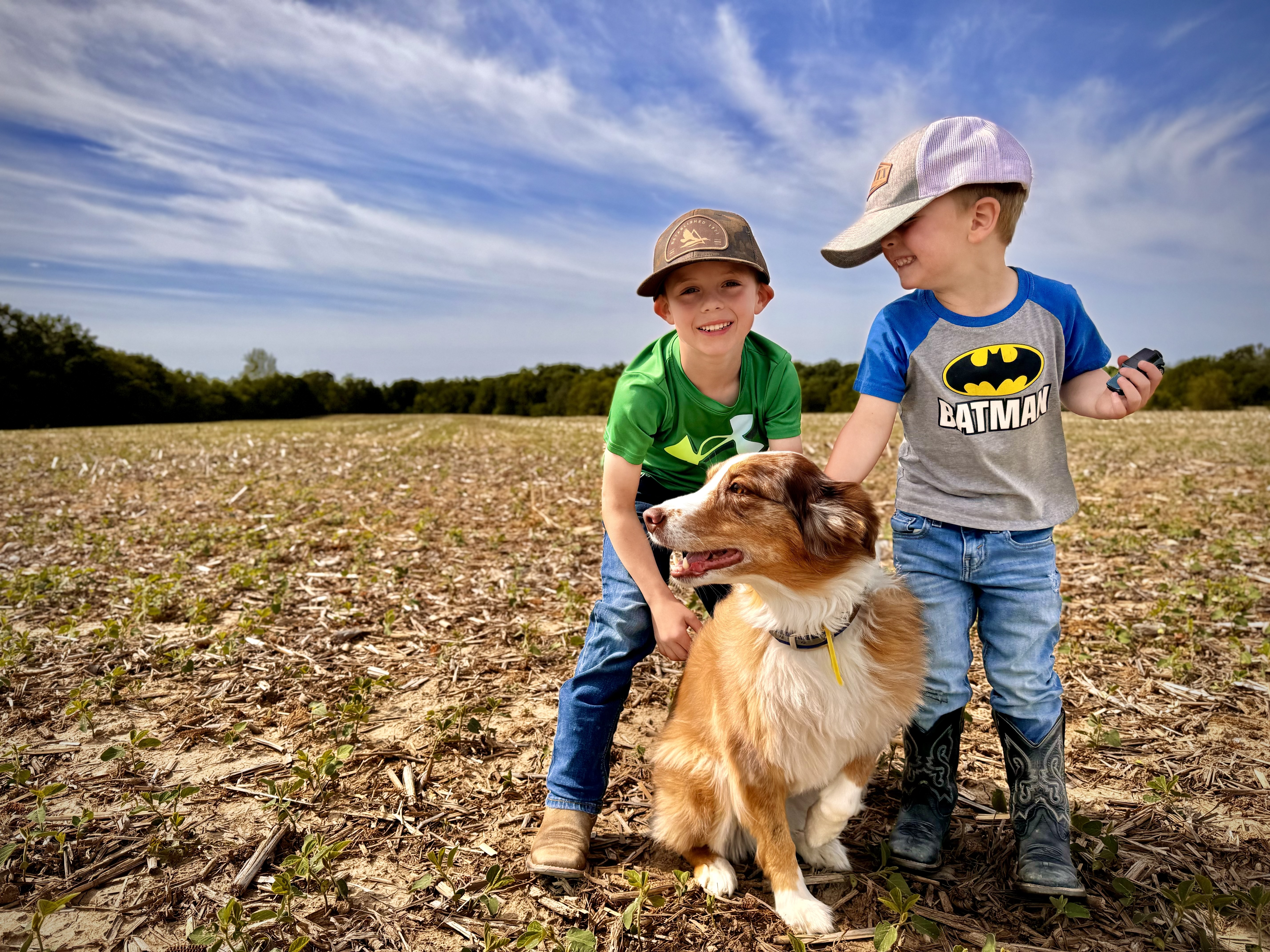
The ground matters. I want my sons to have it. I want them to walk the same fields I've walked and feel what it means to own something you're responsible for.
But what I want them to have more than the land is the understanding of why it matters. Why you don't just extract from it. Why you invest in it even when the return isn't immediate or financial. Why the decisions you make on a piece of ground say something about who you are and what you value.
That's not something I can give them in a deed. I can only give it to them by showing them — in the field, in the decisions I make, in the way I talk about land and what it means.
If I do that right the ground becomes the symbol of something larger. If I don't it's just an asset waiting to be liquidated.
Legacy is not what you leave behind. It's what you instilled while you were here.
What This Means for Illinois Landowners
If you own ground in Illinois — especially generational ground that has been in your family for more than one generation — the most important question you can ask isn't what it's worth.
It's what it was always meant to be.
Does the next generation understand why you've made the decisions you've made? Do they know the difference between the tillable ground you lease and the timber you've left alone? Do they understand why you enrolled certain acres in conservation programs instead of farming them?
If not, the land transfer will happen but the inheritance won't.
The families that get this right spend as much time talking about their ground as they do managing it. They bring the next generation into the decisions — not just the outcomes. They treat the property as a living expression of their values rather than an asset to be optimized.
That's what stewardship looks like across generations. And it's the only kind of legacy that actually lasts.
A Note on Legacy Properties and Real Estate
If you're in the process of evaluating what to do with generational land in Illinois — whether to hold, transfer, sell, or restructure — the most important first step is understanding what the original vision was and whether the current situation honors it.
Sometimes the right decision is to sell. Circumstances change. Families grow apart. The ground that meant everything to one generation may not serve the next in the same way. There's no shame in that.
But that decision deserves to be made with full information — about what the property is worth, what it could become with the right management, and what it has meant to the people who built it.
That's the conversation Archer Realty is built to have.
Watch more on this in my youtube video shorts

Jared Williams is the Managing Broker of Archer Realty, a land and rural property brokerage serving central and greater Illinois. He is a landowner, farmer, licensed auctioneer, and land manager working across Cass, Menard, Sangamon, Macoupin, Greene, Morgan, Fulton, and surrounding counties. Archer Realty specializes in agricultural, recreational, commercial, residential, and estate real estate throughout Illinois.
View current land listings or request a property evaluation at archerrealty.net.


