Leave It Better Than You Found It — What Four Weeks on an Illinois Property Actually Taught Us
Leave It Better Than You Found It
What Four Weeks on an Illinois Property Actually Taught Us
This series started with a plant.
Honeysuckle pushing up through the timber in early spring — the first green in the woods, the one most landowners notice and don't recognize for what it is. A slow takeover that started years ago and accelerated while no one was paying attention.
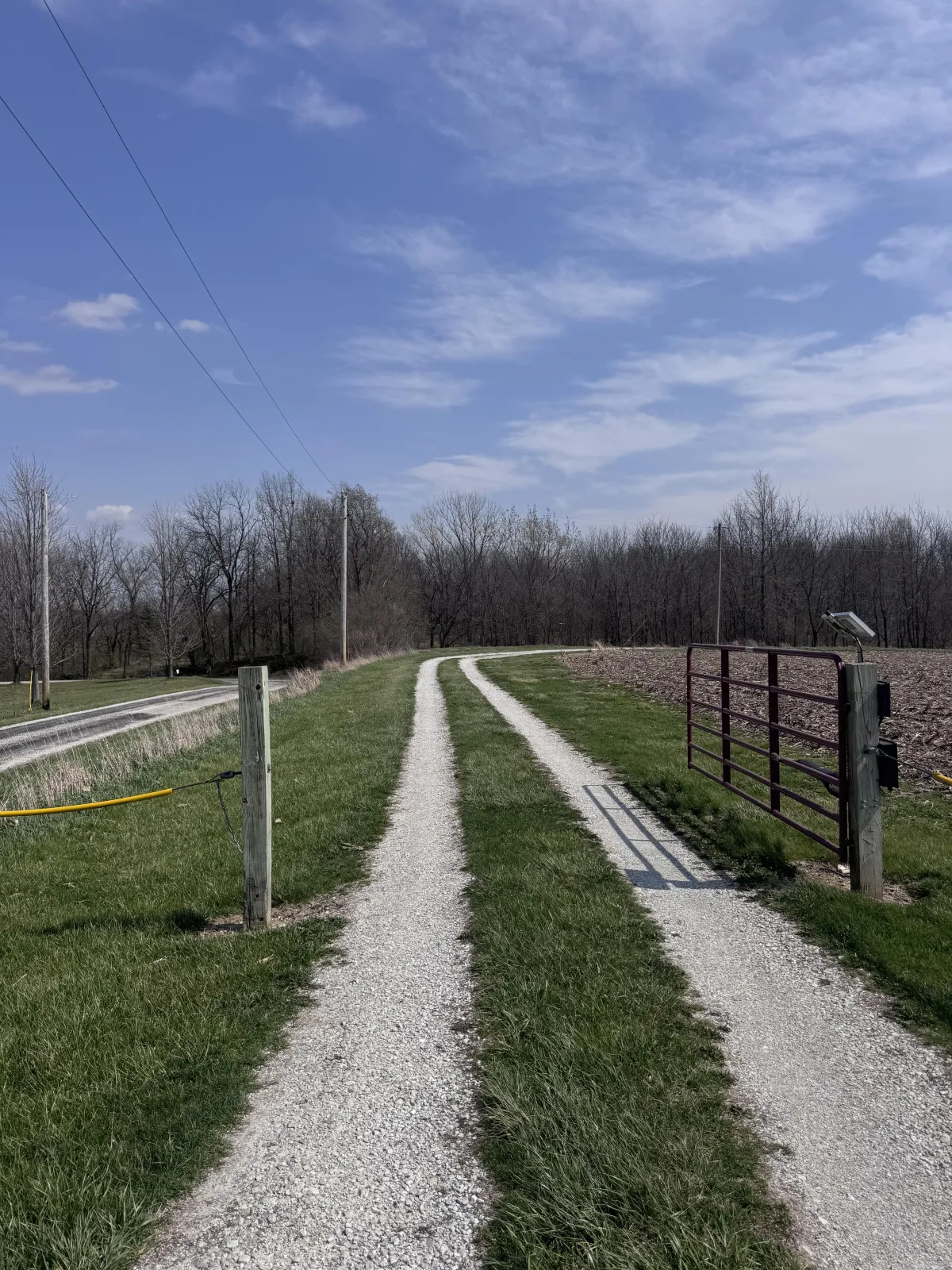
Four videos later, the series ends with a cleared entrance and a property that feels different than it did a month ago.
Not because we spent a fortune. Not because we changed what the ground fundamentally is. But because someone made a series of deliberate decisions to move things in a better direction.
That's the whole idea. And it's simpler than most people expect.
What This Series Was Actually About
On the surface this series documented four specific land management topics across a central Illinois property.
Invasive species — how honeysuckle and autumn olive establish, why early identification matters, and what it costs to wait.
Restoration — what the clearing process actually looks like on a property that has been fighting these species for years, and why mechanical removal alone is never enough.
Legacy stewardship — why a property planted with intention three decades ago requires active management to honor what it was always meant to become.
First impression — how a property entrance communicates maintenance standards before a buyer, a neighbor, or anyone else has seen a single acre of the actual ground.
Four different topics. Four different videos. One idea underneath all of them.
Every piece of this series was about the gap between what a property is today and what it was always meant to be. Invasives close that gap by erasing the timber someone planted with intention. Neglected entrances close it by communicating that nobody is paying attention. Legacy properties drift from their original vision when the people responsible for carrying it forward don't understand what they inherited.
The work we documented — clearing, cutting, opening up, restoring — is the work of closing that gap. Moving a property from what it has become back toward what it was always supposed to be.
That's land management at its most fundamental. And it applies whether you're preparing to sell, managing for wildlife, honoring a family legacy, or simply trying to be a better steward of what you own.
The Four Lessons — Said Plainly
The first lesson is that the problems on your property are almost always older than you think.
Honeysuckle doesn't appear overnight. An overgrown entrance doesn't develop in a season. A legacy property doesn't lose its structure in a year. These things happen incrementally — a little more each season — until the cumulative effect becomes undeniable. By the time most landowners recognize the problem it has been compounding for years.
The cost of waiting is real. Not abstract. Real — in timber value lost, in wildlife pressure that could have been managed, in buyer perception that forms before anyone gets out of the truck. The earlier you address what's happening on your ground the less it costs you to fix it.
The second lesson is that restoration is not the same as clearing.
This distinction came up in the legacy property video and it's worth repeating here. Clearing removes what's there. Restoration returns something to what it was always meant to be. One is reactive. The other is intentional.
Most land improvement work gets framed as clearing — taking out the bad stuff. The better frame is restoration — returning the property to its original vision or building toward a new one with equal intention. That shift in framing changes how you make decisions about the ground. You're not just removing problems. You're building something.
The third lesson is that the people who owned this ground before you were making decisions for the future.
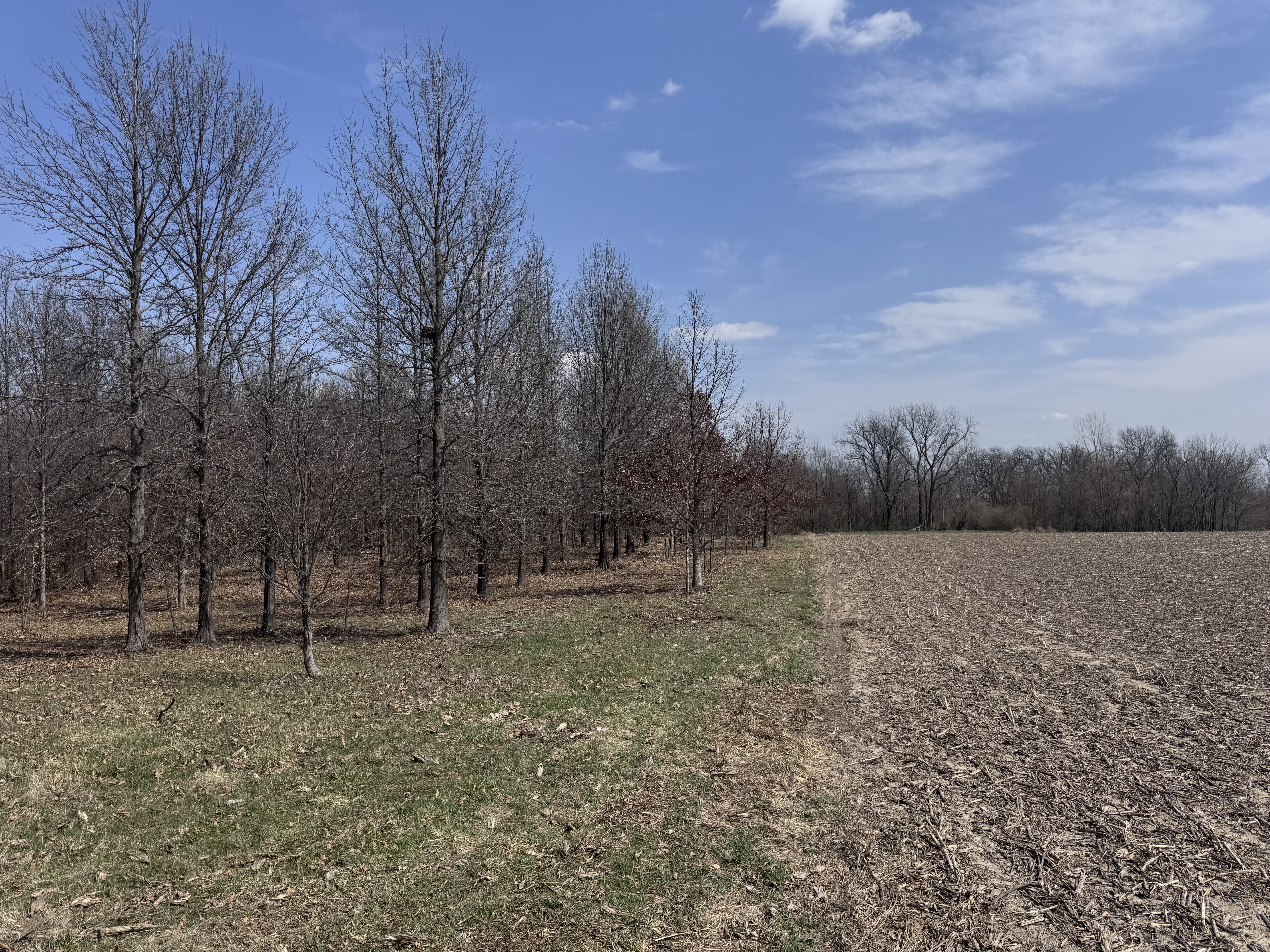
The original owner of the Cass County property we documented converted tillable fields to hardwood timber decades ago. He wasn't doing it for himself. He was doing it for what the property would become after he was gone. Those trees are still standing. The decision is still visible in the landscape.
That kind of thinking — planting for a future you may not see — is rare. But it's exactly what serious land stewardship requires. The hinge cuts going in on a central Illinois property right now won't produce mature bedding cover for two or three seasons. The food plots being planted this spring won't reach their full potential for years. The decisions being made today are for a future version of the property that doesn't exist yet.
That's not patience as a virtue. That's patience as a strategy.
The fourth lesson is that perception is part of value.
The entrance video was the most practical piece in this series and also the most overlooked idea in land and rural property management. The way a property presents itself before anyone steps foot on it shapes every conversation that follows. It shapes what a buyer feels before they make an offer. It shapes what a neighbor assumes about how the ground is managed. It shapes what you feel every time you pull in.
Changing how a property feels is not cosmetic work. It's value work. And it often starts at the entrance — the first thing anyone sees before they've seen anything else.
The Idea That Runs Through All of It
If there's one principle that connects every video in this series it's this.
Leave it better than you found it.
Not dramatically better. Not perfectly better. Just consistently, intentionally better — season by season, decision by decision, in the direction of what the property was always capable of being.
That standard applies to a thousand-acre farm and a two-and-a-half-acre suburban woodlot. It applies to a property being prepared for sale and one that will never be sold. It applies to the landowner who inherited ground they don't fully understand yet and the one who has been managing the same acres for thirty years.
Make it better than you found it. Then make it better again.
That's not a land management philosophy. That's a life philosophy that shows up in how you treat your ground because it shows up in how you treat everything.
The properties that hold value over decades — the ones that produce wildlife, generate income, carry family legacy, and sell for what they're actually worth — are almost always the ones where someone held themselves to that standard consistently. Not because the land rewarded them immediately. Because they decided that was the standard regardless of the return timeline.
What Comes Next
This series documented one chapter of ongoing work on a central Illinois property. The invasives are being managed but not finished — that's a multi-year commitment. The entrance has been cleared but maintenance continues. The legacy timber requires active stewardship every season.
The next chapter is already underway. Hinge cutting along the ridge tops. No-till planting on two farms. A long-form piece that connects the walnut harvested from a property we've been protecting to the table built from it for a home's first impression.
The work doesn't have a finish line. That's the point.
If you own ground in Illinois — whether you're managing it actively or trying to figure out where to start — the most important decision you can make is the same one this series has been documenting from the beginning.
Decide to move it in a better direction. Then go do the work.
A Note on What We Do
Archer Realty works with landowners, buyers, and investors across central and greater Illinois who are making real decisions about their ground. Agricultural, recreational, residential, commercial, and estate properties. Traditional listings and auction services.
If you're trying to understand what your property is, what it could become, or what the right next decision is — that's the conversation we're built to have.
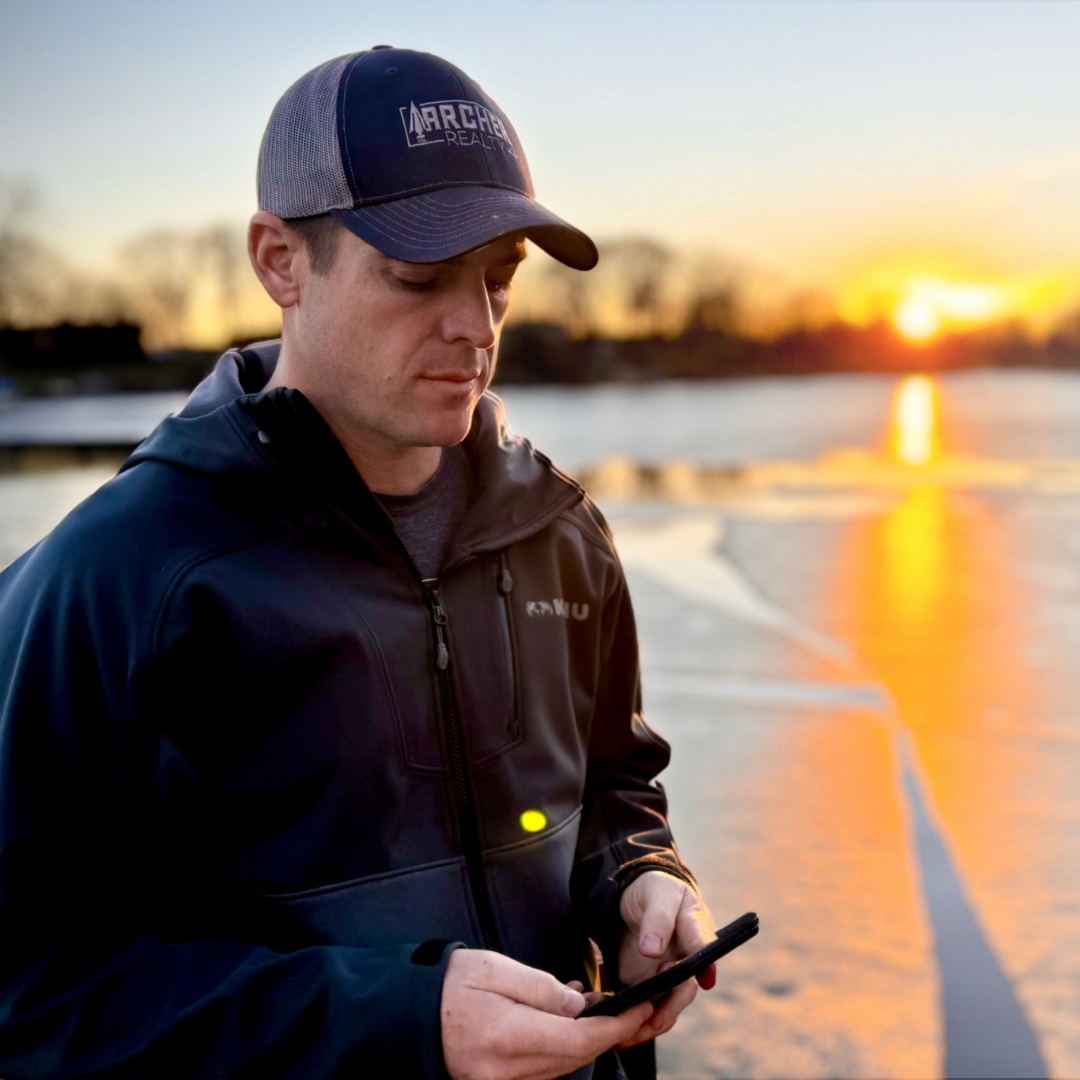
Jared Williams is the Managing Broker of Archer Realty. He is a landowner, farmer, licensed auctioneer, and land manager who farms his own ground and manages properties across central Illinois. He serves on the Menard County Board of Review.


