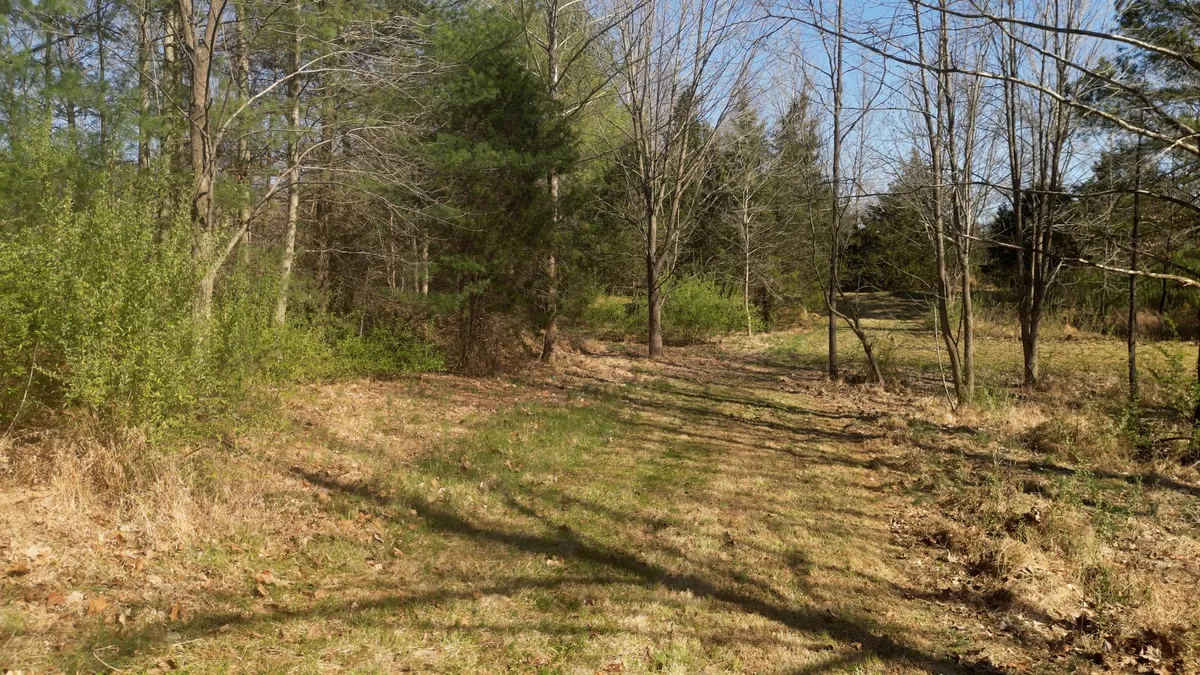
How Illinois Landowners Lower Taxes on Recreational Land
The Property Tax Problem Most Recreational Landowners Do Not Know They Have
If you own recreational land in Illinois — timber, hunting ground, river bottom — and your county is assessing it at fair market value, you are almost certainly paying more property tax than Illinois law requires. The Illinois Property Tax Code does not mandate that recreational land be assessed at market value. It provides a separate pathway — agricultural assessment — that dramatically reduces the taxable value of land that qualifies, and timber and recreational ground in Illinois frequently qualifies.
This is not a loophole. It is not a gray area. It is a provision that the Illinois legislature put into the Property Tax Code specifically because it recognized that fair market value assessment of land used for agriculture, timber, or wildlife habitat creates a tax burden that is disconnected from the income the land produces and discourages the preservation of that land in its current use. A Pike County hunting property worth $3,500 to $4,500 per acre on the market is not producing $3,500 to $4,500 per acre in income. Taxing it as though it is creates a recurring annual cost that drives landowners to sell, subdivide, or convert — outcomes that the agricultural assessment provision is intended to prevent.
I put together a short on this topic for the Archer Realty YouTube channel — watch it here — and the response made clear that this is a question a lot of Illinois landowners have been sitting with and not getting answered. This article covers the full picture.
What Illinois Law Actually Says About Recreational Land Assessment
The Illinois Property Tax Code (35 ILCS 200/1-60) defines agricultural property broadly. It includes cropland, but it also includes timberland and land used for agricultural purposes. That definition is significant for recreational landowners because timber ground — the bluff-country hardwood timber in Pike, Adams, Brown, and Schuyler counties, the creek-bottom timber in Menard, Mason, and Cass counties — is defined as agricultural property under Illinois law and is therefore eligible for assessment under the agricultural use value framework rather than the market value framework.
The agricultural use value framework is administered through the Illinois Department of Revenue, which publishes equalized assessed value tables by soil Productivity Index for each county. A soil type with a PI of 75 — typical for timbered bluff-country ground in western Illinois — carries an EAV that is a fraction of what the market value of hunting ground in that county has become. The result is a property tax bill that reflects what the land produces, not what a motivated buyer from outside the county would pay for deer hunting access.
The mechanism for capturing this benefit is classification. If your county assessor has classified your recreational ground as residential, rural residential, or undeveloped land rather than agricultural, you are being assessed at a framework that your property does not legally belong to — and you have the right to contest that classification and have it corrected.
How to Apply for Agricultural Assessment on Recreational Ground
The starting point is your county assessor's office. Request a copy of your property's current assessment record and ask what classification code is applied to each parcel or parcel portion. Recreational land parcels are frequently split into components — the tillable acres assessed as agricultural and the timber and rough acres assessed as residential or other. If your timber ground is carrying a non-agricultural classification, ask the assessor's office what documentation they require to reclassify it.
The documentation requirements vary by county. Some assessors will reclassify timber ground with a simple written request that describes the land use. Others require a timber management plan, a forestry report from an Illinois licensed forester, or documentation of timber stand characteristics. The Illinois Department of Natural Resources Division of Forest Resources can connect you with a state forester who will assess your timber ground and provide documentation at no cost — this is a free service that many landowners who would benefit from it do not know exists.
File the reclassification request before your county's assessment notice date, which varies by county but typically falls in the spring. A reclassification that is approved in the current assessment year takes effect for that year's tax bill. A reclassification that is filed after the assessment notice date will generally take effect the following year. If you missed this year's window, use the time between now and the spring assessment notice to gather documentation and file a timely request for next year.
The Board of Review Appeal — Your Second Option If the Assessor Denies the Request
If your assessor denies a reclassification request or if your assessment is corrected but you believe the resulting value is still higher than the agricultural use value tables support, you have the right to appeal to your county's Board of Review. The Board of Review is the administrative tribunal that hears assessment appeals before a property owner goes to the Property Tax Appeal Board (PTAB) at the state level.
A Board of Review appeal requires a written complaint filed within the county's appeal window — which in most Illinois counties opens when the assessment notice is mailed and closes 30 days later, though dates vary and should be confirmed with your county clerk's office. The complaint states the parcel number, the current assessment, the requested assessment, and the basis for the reduction. For a recreational land assessment appeal, the basis is typically one of two things: incorrect classification (the land should be assessed as agricultural, not residential) or incorrect value (the agricultural use value applied by the assessor is higher than the published EAV tables for that soil type support).
Bring documentation. A Board of Review that is presented with the Illinois Department of Revenue's published EAV per acre for your soil type, alongside your current assessment, can see immediately whether the assessment is consistent with the published framework. An assessor who has applied a non-agricultural rate to timber ground that qualifies for agricultural assessment is not applying Illinois law correctly, and a Board of Review that understands the statute will correct it.
Conservation Easements — The Long-Term Option for Significant Holdings
A recorded conservation easement is a legal agreement between a landowner and a qualified conservation organization — an accredited land trust or a government agency — that restricts certain uses of the land in perpetuity. It runs with the land regardless of future ownership and reduces the property's fair market value by the amount of the development rights extinguished. For assessment purposes, that reduction in market value flows through to a lower assessed value.
The Illinois Donation Tax Credit (35 ILCS 5/218) additionally provides a state income tax credit equal to a percentage of the donated easement's value, making this a tool with both property tax and income tax implications. It is a permanent restriction and requires a qualified appraisal, legal drafting, and land trust monitoring — the right tool for a landowner with significant holdings and a long-term hold intention, not for every situation.
What to Do This Week
Pull your most recent property tax bill and your county assessor's property record. Identify the classification code applied to each parcel portion — tillable, timber, rough — and confirm whether your recreational ground is carrying an agricultural or non-agricultural classification. If it is non-agricultural and your ground has timber or wildlife habitat characteristics that qualify under the Illinois statutory definition, you have the basis for a reclassification request or a Board of Review appeal.
Call the office directly if you are in central or western Illinois and want to talk through your specific situation. This conversation takes 10 minutes and can produce a tax reduction that compounds every year you hold the land. The law is on your side — the question is whether you have made the request.
Jared Williams is the Managing Broker and owner of Archer Realty & Auction LLC. He serves on the Menard County Board of Review and specializes in recreational and agricultural land across central and western Illinois. Follow Archer Realty on YouTube at @archerrealtyIL. Start the conversation at archerrealty.net.