Illinois Duck Season Split and Illinois River Duck Ground
What the Split Season Structure Is and Why It Changed
The 2026 to 2030 Illinois waterfowl framework established a new Central Zone duck season structure that takes effect this season. Instead of a single continuous season, the Central Zone now runs in two segments: October 31 through December 13, followed by a six-day break, then December 19 through January 3. The combined days within the framework limits produce the same total season length as prior years, but the split structure changes when the pressure is applied to the resource — and it changes how waterfowl ground in Mason and Cass counties gets priced and leased.
The framework change came out of IDNR's multi-year review of harvest data and hunter participation patterns. The split creates a rest period during the peak of the migration that allows birds to stage and settle rather than being pushed out of the corridor by continuous pressure. Whether that benefits the hunting in the late segment depends on migration timing, weather patterns, and how the break interacts with the concentration of birds in the Illinois River corridor in December.
The October 31 Opener and What It Means for Early-Season Lease Value
The first segment opens October 31. That is a date worth noting relative to the deer hunting calendar — Illinois firearm deer season opens the Saturday after Thanksgiving, and the late archery season runs through January 19. A waterfowl hunter who is also a deer hunter is managing three overlapping seasons on the same piece of ground through November and December. For a landowner leasing a river bottom property in Mason or Cass County, the waterfowl lease structure and the deer hunting access arrangement need to be coordinated — who is on the property on which days, what the agreement says about overlapping access, and how the rent reflects the combined hunting value of the ground.
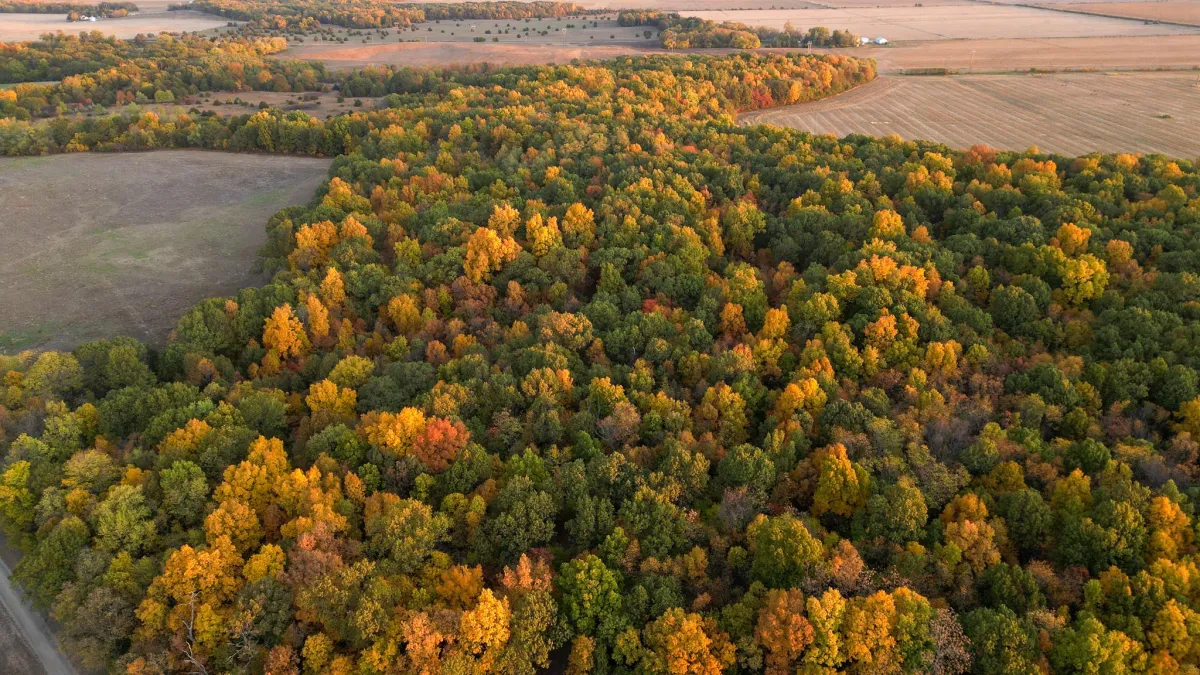
The early segment — October 31 through December 13 — captures the full peak of the mallard and diver migration through the Central Zone. The Illinois River corridor is most productive for waterfowl during November, when the northern migration pushes birds south ahead of freezing conditions in Wisconsin, Minnesota, and Canada. A club or group leasing an Illinois River bottom for the season and expecting November duck hunting is leasing during the highest-value portion of the waterfowl calendar.
The Late Segment and Whether It Is Worth More or Less
The December 19 to January 3 late segment is a different hunting proposition than the early segment. By late December, the migration pulse that produced November duck hunting has largely passed through. What remains in the Illinois River corridor are birds that have chosen to winter there rather than continue south — typically resident mallards, divers on open water, and Canada geese in large numbers. The late segment often produces excellent goose hunting and can produce good mallard hunting in years when weather keeps ice off the backwater sloughs.
From a lease value standpoint, the late segment is worth more to some hunters and less to others. A club that hunts primarily mallards during peak migration is getting less of what they want in the late segment. A club that targets Canada geese and is willing to hunt open-water divers is potentially getting more. The six-day break between segments — December 14 through 18 — is a genuine rest period that may concentrate birds on the ground again before the late opener. A landowner leasing a wet-ground property should understand what their tenant's target species are and how those targets intersect with the late segment's realistic opportunity before setting the lease rate for a season-long versus split-only arrangement.
What a Season Lease Should Cost on Illinois River Bottom Ground
Waterfowl ground leasing on the Illinois River corridor has been moving in a range of $8 to $25 per acre per season for managed wet-ground properties with established blind infrastructure and documented bird use, depending on location, water control capability, and access. Properties in the Sanganois State Wildlife Area adjacency zone — where pressure on public land pushes birds onto private ground — have been commanding the upper end of that range from established hunting clubs willing to pay for consistency.
The split season structure creates a new question for per-segment leasing: what does a club that only wants the late segment pay relative to the full-season rate? From an operator's standpoint, the late segment lease on a property that hosts a full-season club should be priced to reflect the remaining days and the remaining migration opportunity. A property that leases full-season at $15 per acre might offer a late-segment-only lease at $6 to $8 per acre — reflecting the fewer days, the later-migration bird mix, and the fact that the early-segment club has already established presence and blind infrastructure that a late-segment lease inherits.
Landowners who have not yet structured their 2026 waterfowl leases with the split in mind should address that conversation before October 31. A lease written for "duck season" without specifying which segment — or both — creates ambiguity that produces conflict when the early segment ends and a new group wants access for the late segment. Get the terms in writing, segment-specific, before the first taken is taken.
The November Permit Window and What It Means for Planning
The November waterfowl hunting permit application for Illinois closed September 11. Hunters who planned to pursue permit-required areas for the 2026 season and did not apply before that date are locked out of those specific locations for the season. This does not affect private land leases — private waterfowl hunting on leased ground does not require a state waterfowl hunting permit beyond the standard state license and federal duck stamp. But it does affect any plan that involved hunting a state-managed permit area in combination with private ground, and hunters who are reconfiguring their season around the split structure need to build that constraint into their plan.
Jared Williams is the Managing Broker and owner of Archer Realty & Auction LLC. He spent 13 years as a producer for the Outdoor Channel before returning to Illinois to build a land brokerage rooted in operator-level expertise in recreational real estate across central and western Illinois. Start the conversation at archerrealty.net.