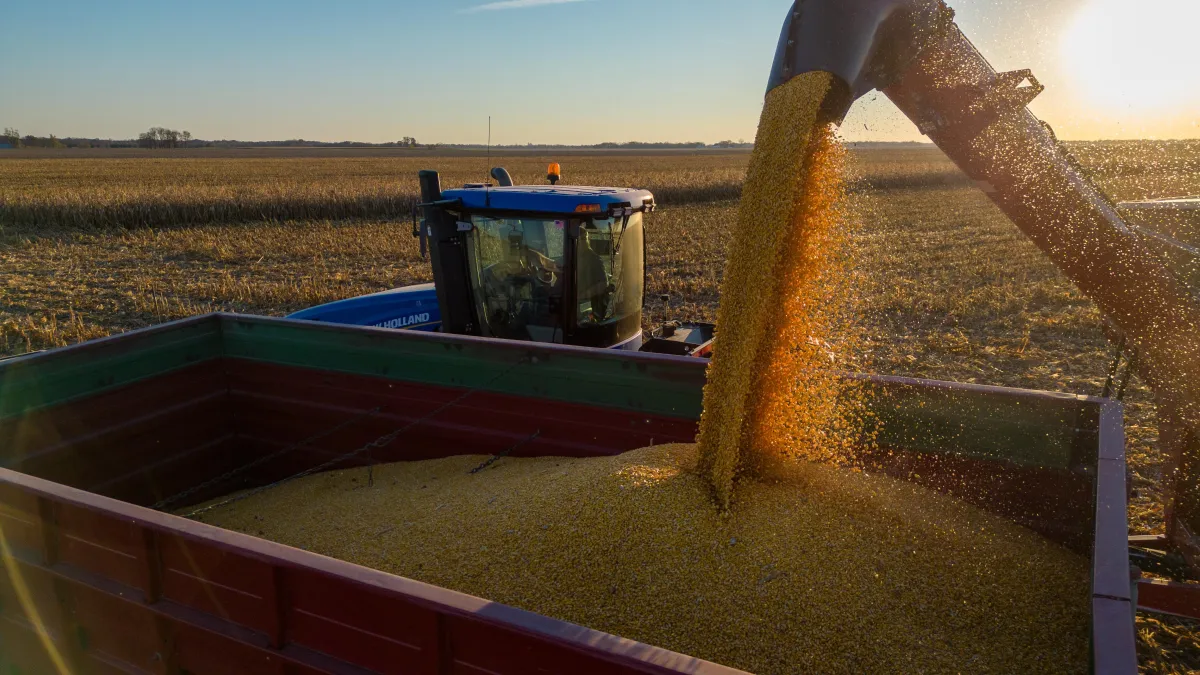
How Do You Know What Your Land Is Worth in Illinois?
How Do You Know What Your Land Is Worth in Illinois?
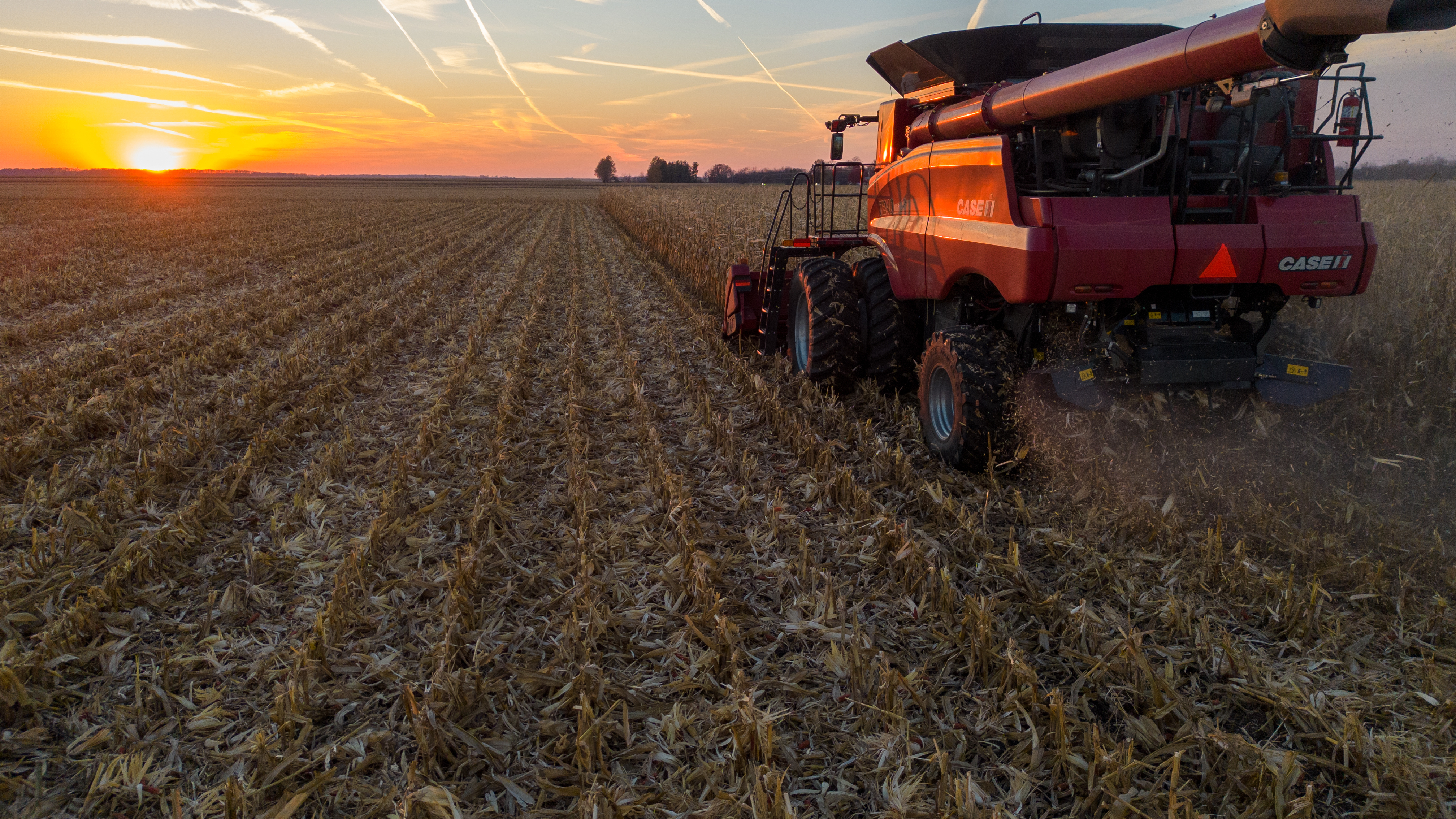
If you own land in Illinois and are thinking about selling—or simply want to understand what you have—you’ve likely asked:
What is my land actually worth?
Most people assume the answer is straightforward.
Look at recent sales.
Find a price per acre.
Apply that number to your property.
In reality, land does not work that way.
Value is not determined by a formula. It is determined by how a property performs, how it is used, and how it is perceived by buyers in the current market.
Price Per Acre Is a Reference Point, Not a Valuation
One of the most common mistakes landowners make is relying too heavily on price per acre.
You might hear:
“That farm sold for $10,000 per acre”
“Ground in this area is bringing $8,500 per acre”
Those numbers provide context, but they do not define your property’s value.
Even within the same county, two properties ten miles apart can produce very different results.
Land is not uniform, and value is not evenly distributed.
Location and Surrounding Area
A property is influenced by what surrounds it.
Value is affected by:
The quality of neighboring farmland
Hunting pressure in the area
Access to roads and infrastructure
Buyer demand in that specific region
A property does not stand alone. It is part of a larger environment that directly impacts how it is evaluated.
Soil Quality and Income Potential
For agricultural land, productivity plays a major role.
Buyers evaluate:
Soil types and ratings
Drainage
Yield history
Field efficiency and layout
Agricultural buyers are often focused on performance over time.
Two farms with similar acreage can have very different values based on how they produce.
Recreational Value and Property Experience
Recreational land is evaluated differently.
Buyers are not just purchasing acres. They are evaluating how the property feels and functions.
This includes:
Hunting potential
Habitat quality
Layout and usability
Privacy and access
These factors are less standardized, which is why recreational property values can vary more widely.
Wildlife Presence and Documentation
Wildlife has a direct impact on recreational land value.
Buyers look for:
Consistent deer movement
Age structure
Overall quality of wildlife in the area
Trail camera documentation matters.
Properties with evidence of mature, living deer tend to generate stronger interest and more confidence from buyers.
Buyers are not just purchasing land. They are purchasing opportunity.
Timber Value: Contribution, Not Conversion
Timber can add value, but it needs to be understood correctly.
There are two considerations:
Harvest Value
Marketable timber can provide income
Species, size, and accessibility all matter
Habitat Value
Timber provides bedding and cover
It supports wildlife and improves hunting potential
However, timber is rarely valued dollar-for-dollar based on what it could be cut for.
It contributes to overall value, but it is not the sole driver.
Access and Usability
Access plays a larger role than most people expect.
Important factors include:
Road frontage
Ease of entry and exit
Ability to move through the property without disruption
For hunting land, access can directly impact how well the property performs.
A property that is difficult to access properly may not function as well, regardless of its other features.
Improvements and Property Setup
Improvements can influence value when they enhance how the property is used.
Examples include:
Food plots
Water sources
Drainage improvements
Buildings or infrastructure
The key question is whether the improvement adds function, not just cost.
The Limits of Comparable Sales
Comparable sales are often misunderstood.
A nearby sale does not automatically determine your property’s value.
Differences that matter include:
Location, even within short distances
Soil and productivity
Habitat and timber
Access and layout
Market conditions at the time of sale
Comparable sales provide a range. They do not provide an exact answer.
Buyer Demand Determines Value
At the end of the process, value is determined by what a qualified buyer is willing to pay.
This is influenced by:
Demand for that type of property
Availability of similar properties
Market timing
Buyer motivation
No two properties attract identical demand.
How Property Value Is Evaluated in Practice
When evaluating land, the focus should be on how the property actually performs.
This includes:
How it is used
What type of buyer it attracts
How it compares functionally to other properties
What potential exists with proper management
From there, a realistic value range can be established along with the right strategy for bringing it to market.
Final Thoughts
Land value is not determined by a single number.
It is the result of:
Location
Use
Performance
Demand
Buyer perception
Understanding these factors leads to better decisions and more accurate expectations.
About the Author
Jared Williams is the Managing Broker of Archer Realty, specializing in agricultural, recreational, and rural property across Central, Eastern, and Western Illinois. He is a landowner, farmer, and property investor who actively manages and improves the properties he owns, providing real-world insight into land value and long-term property strategy.