How Many Acres Have You Already Lost — The Hidden Cost of Field Edge Encroachment in Illinois
The Hidden Cost of Field Edge Encroachment in Illinois
Most landowners in Illinois know exactly how many acres they own. The number is on the deed. It comes up in every conversation about the property. It determines the tax bill, the insurance, the lease rate, and the sale price.
What most landowners don't know is how many of those acres they've already given away.
Not to a buyer. Not to a dispute. To the field edge.
The Quiet Tax Nobody Talks About
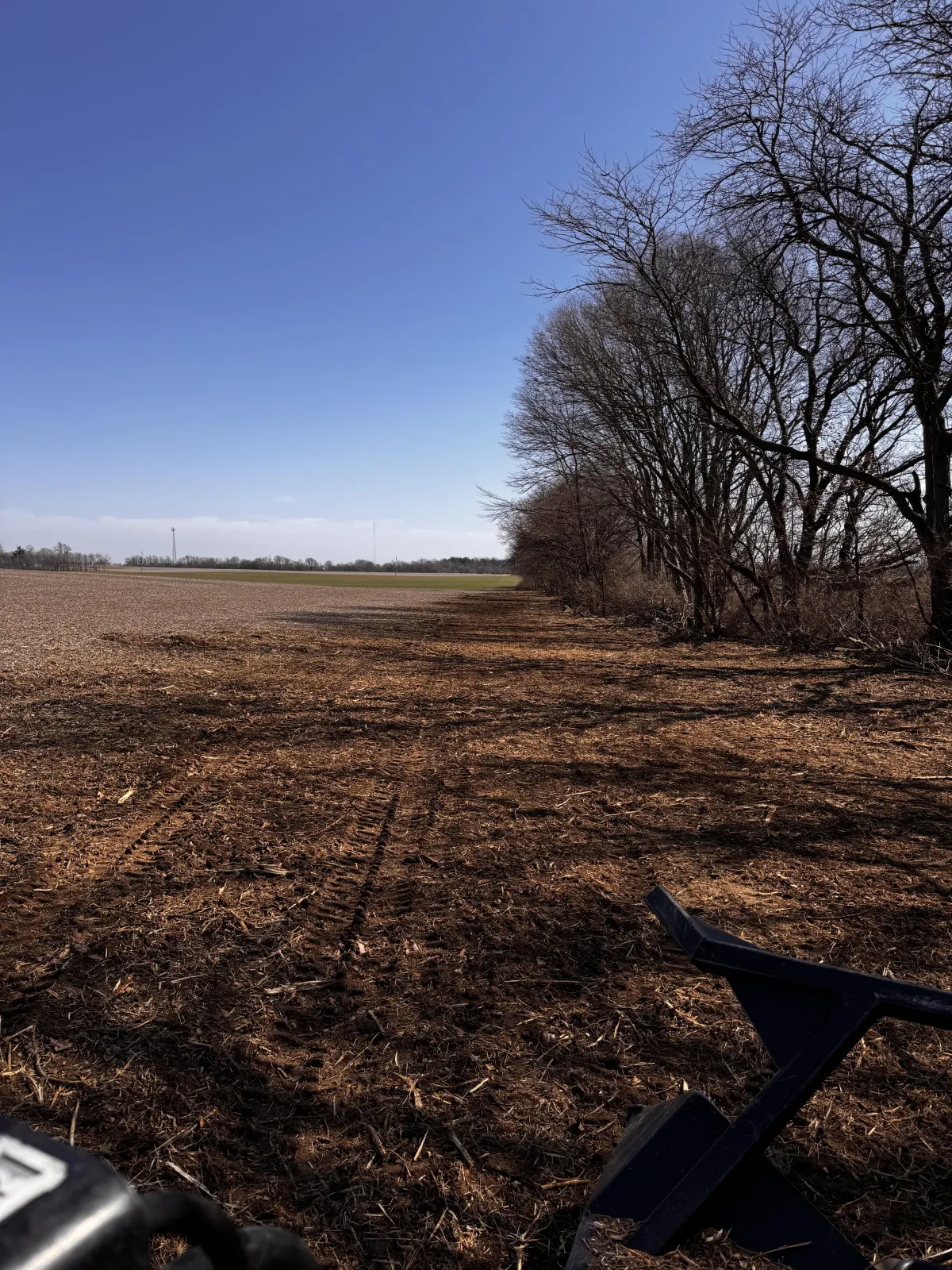
Invasive species and timber encroachment along field edges doesn't announce itself. It doesn't send a notice or trigger an alert. It just moves — quietly, incrementally, a little further each season — until the productive ground that used to be there is something you have to fight to reclaim.
Most landowners notice it eventually. The field looks a little smaller than it used to. The edges are rough and overgrown. The fence line is somewhere inside the brush now instead of at the boundary of the field.
But most people never put a number on it. They see it as an aesthetic problem or a maintenance issue rather than what it actually is — a measurable loss of productive ground that compounds every year you don't address it.
That changes when you do the math.
The Math Most Landowners Have Never Run
Here's a simple calculation that applies to nearly every agricultural or rural property in Illinois with established field edges.
If invasive species or timber have encroached 25 feet into your field edge — and on many Illinois properties the number is higher than that — and that field edge runs one mile, you have lost 25 feet multiplied by 5,280 feet. That's 132,000 square feet. An acre is 43,560 square feet.
That's over three acres of productive ground on a single mile of field edge.
Most agricultural operations in Illinois don't have one field with one edge. They have multiple fields, multiple edges, and multiple miles of boundary where this same encroachment has been happening season after season.
Run that math across a full operation and the number stops being a maintenance issue and starts being a real conversation about land value, productivity, and what it costs to do nothing.
At current Illinois farmland values that three acres on a single field edge represents real money. Multiply it across an operation and the reclamation work pays for itself before the first crop comes off the reclaimed ground.
Why It Happens
Field edge encroachment in Illinois is primarily driven by two forces working together.
The first is invasive species — honeysuckle, autumn olive, and multiflora rose in particular. These species are aggressive early colonizers. They establish quickly in disturbed soil and edge environments, grow faster than native species, and create dense cover that shades out everything beneath them. Once established they don't retreat on their own. They expand.
The second is natural timber succession. Even without invasive species, timber naturally wants to expand into open ground. Without active management the boundary between field and timber moves — slowly but consistently — in one direction. Into the field.
The combination of invasive species establishing at the edge and timber following behind them is what creates the overgrown, encroached field edges that are common on properties across central Illinois. It happens faster on properties that aren't actively managed and slower on ones that are. But on every property without active edge management it is happening.
What Reclamation Actually Looks Like
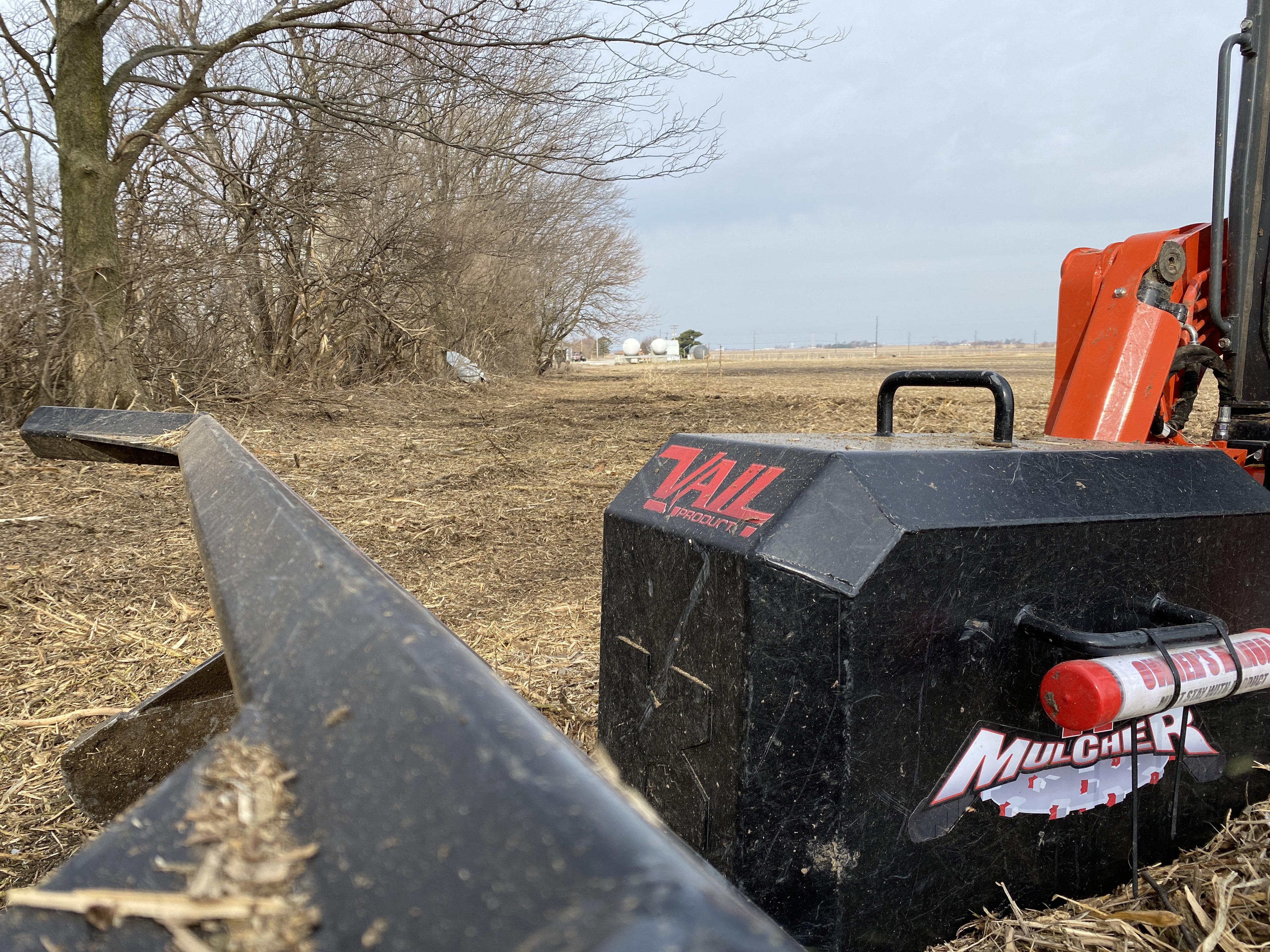
The tool for this work is a forestry mulcher — a machine that grinds brush, invasive species, and small timber down to the ground in a single pass. No burning, no hauling, no debris management. The mulched material stays on the ground and breaks down naturally.
One pass along a field edge with a forestry mulcher reclaims years of encroachment in a matter of hours. The productive ground that was being held back by brush and invasive cover is opened immediately. It can be tilled and planted in the same season.
The work is not complicated. It is not expensive relative to the value of what it reclaims. The reason most landowners haven't done it is the same reason the encroachment happened in the first place — nobody put a number on what it was costing them.
Now you have the number.
The Ongoing Commitment
Reclaiming a field edge once is the beginning not the end. Invasive species and timber don't stop because you pushed them back once. The edges require ongoing management — treatment of invasive regrowth, monitoring of the boundary, and periodic mechanical work to keep the ground productive.
The landowners who get this right treat field edge management the same way they treat soil fertility or equipment maintenance. It's not a one-time project. It's a season by season commitment that protects the productive capacity of the ground and maintains the value of what they own.
The ones who reclaim their edges once and walk away will find themselves back in the same position in five to seven years. The ones who stay on it keep the ground they fought to get back.
What This Means for Illinois Landowners
If you own agricultural or rural ground in Illinois and your field edges haven't been actively managed in the last several years — the math above applies to you.
Walk your field edges this season. Measure what you find. Put a number on what the encroachment is costing you in productive ground, in land value, and in what it will cost to reclaim versus what it costs to continue losing ground every year.
That number will tell you everything you need to know about whether this work belongs on this year's list.
This Is Part of a Larger Series
This article is the first in a field edge management series documenting real work on working properties across central Illinois. The invasive species series earlier this year covered what honeysuckle and autumn olive do to timber ground. This series covers what they do to productive agricultural ground — and what it takes to get it back.
The work is connected. The principle is the same.
Leave it better than you found it.
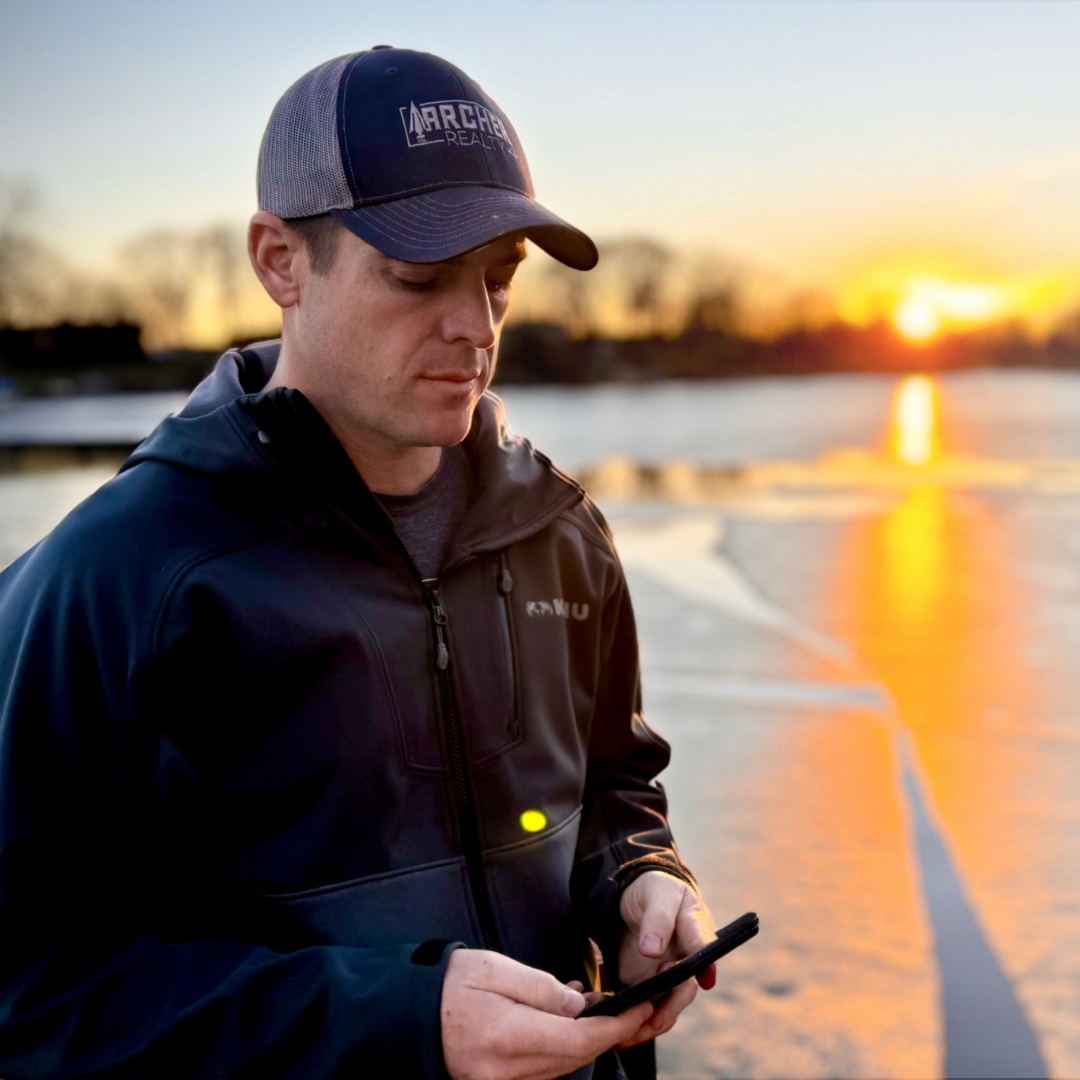
Jared Williams is the Managing Broker of Archer Realty, a land and rural property brokerage serving central and greater Illinois. He is a landowner, farmer, licensed auctioneer, and land manager who farms his own ground and manages properties across Cass, Menard, Sangamon, Macoupin, Greene, Morgan, Fulton, and surrounding counties.
View current land listings or request a property evaluation at archerrealty.net.


