The Conversation Nobody Wants to Have About the Family Farm Is the One That Costs the Most to Avoid
Generational land in Illinois doesn't manage itself and it doesn't transfer itself. Here's what waiting costs.
A Property Three Generations in the Making
There's a property in central Illinois that has been in the same family for three generations.
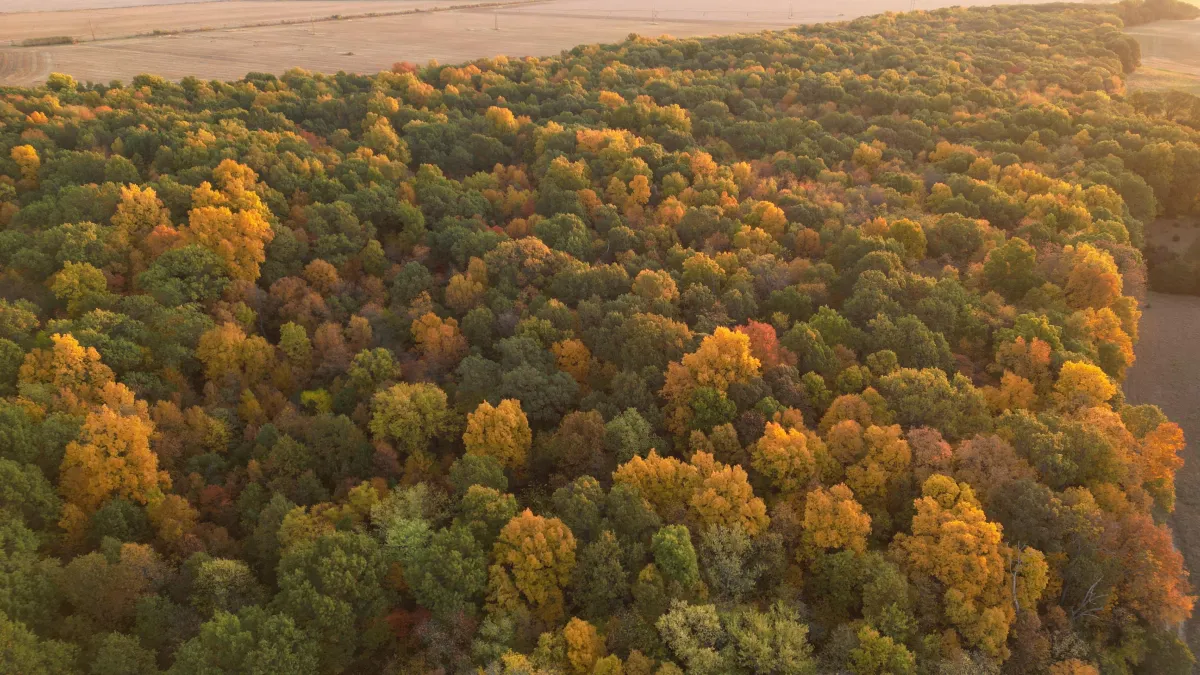
The original owner farmed it, hunted it, and planted hardwood timber on ground he converted from row crops because he believed in leaving things better than he found them. He's gone now. The trees are still there.
His children inherited the ground. They've managed it — some years better than others — but they've kept it together and kept it producing.
The grandchildren are watching.
Nobody has had the conversation yet about what happens next.
The Silence That Costs
Generational farmland and rural property in Illinois represents some of the most significant wealth that central Illinois families hold. It also represents some of the most complex decisions they'll ever face — about value, fairness, and what the ground meant to the person who built it.
Most families avoid those decisions for as long as possible. Not because they don't care. Because they care too much and the conversation is hard.
What's it worth? Who gets it? Do we sell or hold? What would mom and dad have wanted? Is it fair to the sibling who moved away?
Those questions don't get easier with time. They get harder.
What Waiting Actually Costs
The financial cost of delayed estate decisions on farmland is real and it compounds.
Property that transfers without a plan often transfers inefficiently — with tax consequences a properly structured estate plan would have minimized, with disputes among heirs that reduce net value to everyone, with forced sale timelines that produce below-market results because urgency replaced strategy.
Illinois estate law has specific implications for farmland transfers that most families don't understand until they're in the middle of a situation they didn't plan for. Stepped-up basis, 1031 exchange opportunities, land trust structures, and installment sale arrangements all have windows and requirements that require advance planning.
By the time most families are ready to have the conversation — when the health of the primary owner is declining or the estate is already in probate — many of the most valuable options are already closed.
What the Ground Is Saying
There's another cost that's harder to put a number on but worth naming.
Generational land in Illinois deteriorates without intention. Not dramatically. Quietly. The same way field edges encroach and invasive species establish — a little more each year while nobody is paying attention.
A farm without a clear management plan drifts from whatever vision the original owner had for it. Lease arrangements go unreviewed. Habitat improvements get deferred. The timber planted with a thirty year horizon gets forgotten about until someone asks what it's worth.
The ground doesn't stop changing because the family stopped having the conversation about it. It just changes in a direction nobody chose.
The Families Who Get It Right
The families who handle generational land transitions well in Illinois share common characteristics.
They start the conversation before it's urgent. Not when the estate is in crisis but when there's time to think clearly and make decisions that reflect what everyone actually wants.
They get outside perspective. From someone who knows the current market, understands the legal and tax implications, and has no stake in the outcome other than helping the family make a clear-eyed decision.
They separate the emotional value from the financial value. Not because the emotional value doesn't matter — it does, enormously — but because confusing the two produces decisions that serve neither.
And they make decisions. Because the alternative — waiting, deferring, hoping the conversation resolves itself — has a cost that keeps compounding.
What This Means for Illinois Families With Generational Ground
If your family holds farmland, rural property, or estate ground in Illinois that hasn't had a real conversation about what comes next — the time to have it is before you need to.
Before a health event makes it urgent. Before a family disagreement makes it adversarial. Before the tax and legal windows that protect the most value have closed.
The conversation is hard. It involves money and memory and fairness and grief and legacy all at once.
But it's significantly less complicated now than it will be later. And the families who have it almost always come away with better outcomes and stronger relationships than the ones who waited.
The farm your family built deserves that conversation.
Jared Williams is the Managing Broker of Archer Realty. He works with families across central Illinois on generational land decisions — farmland transfers, estate property evaluations, and the conversations that protect what families have spent lifetimes building. Start the conversation at archerrealty.net.