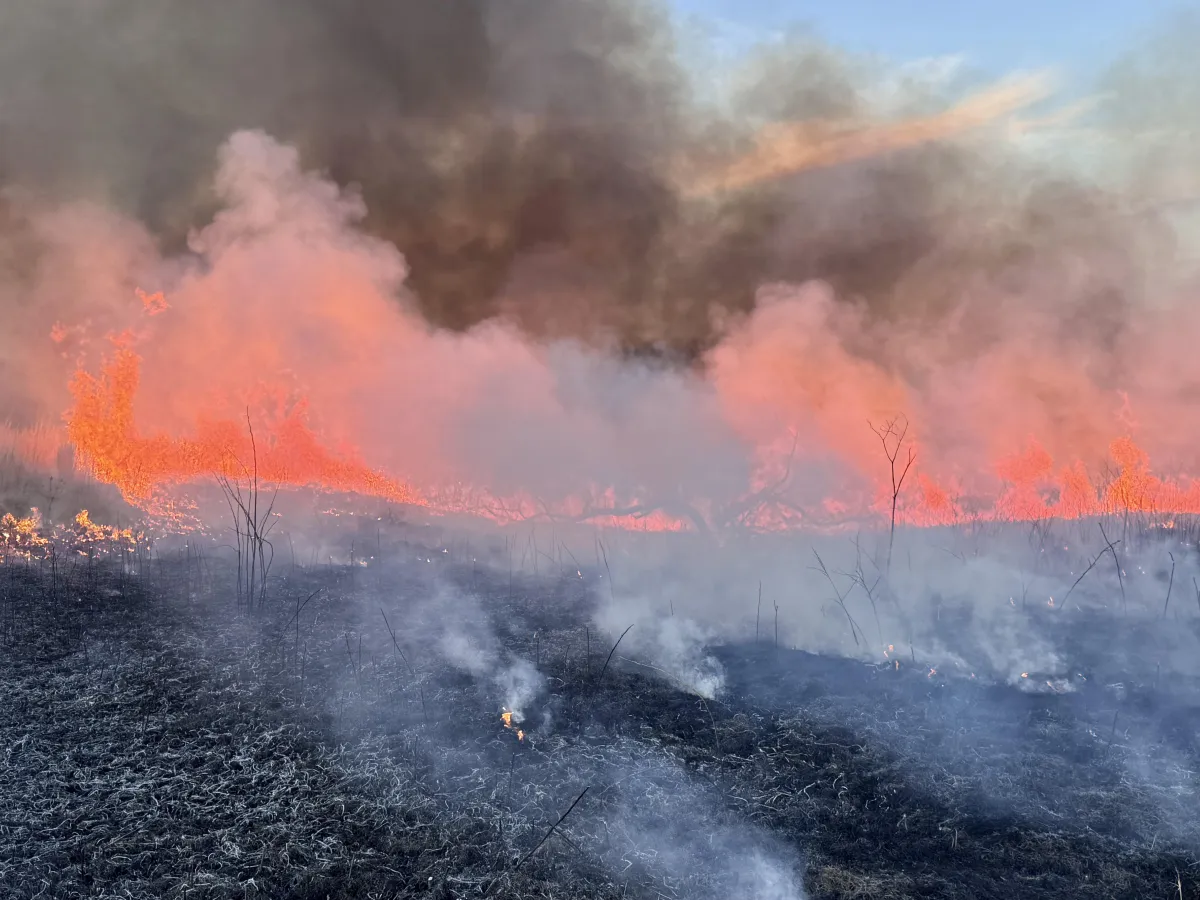
Why Controlled Burns Improve Land Value in Illinois
Why Controlled Burns Improve Land Value in Illinois
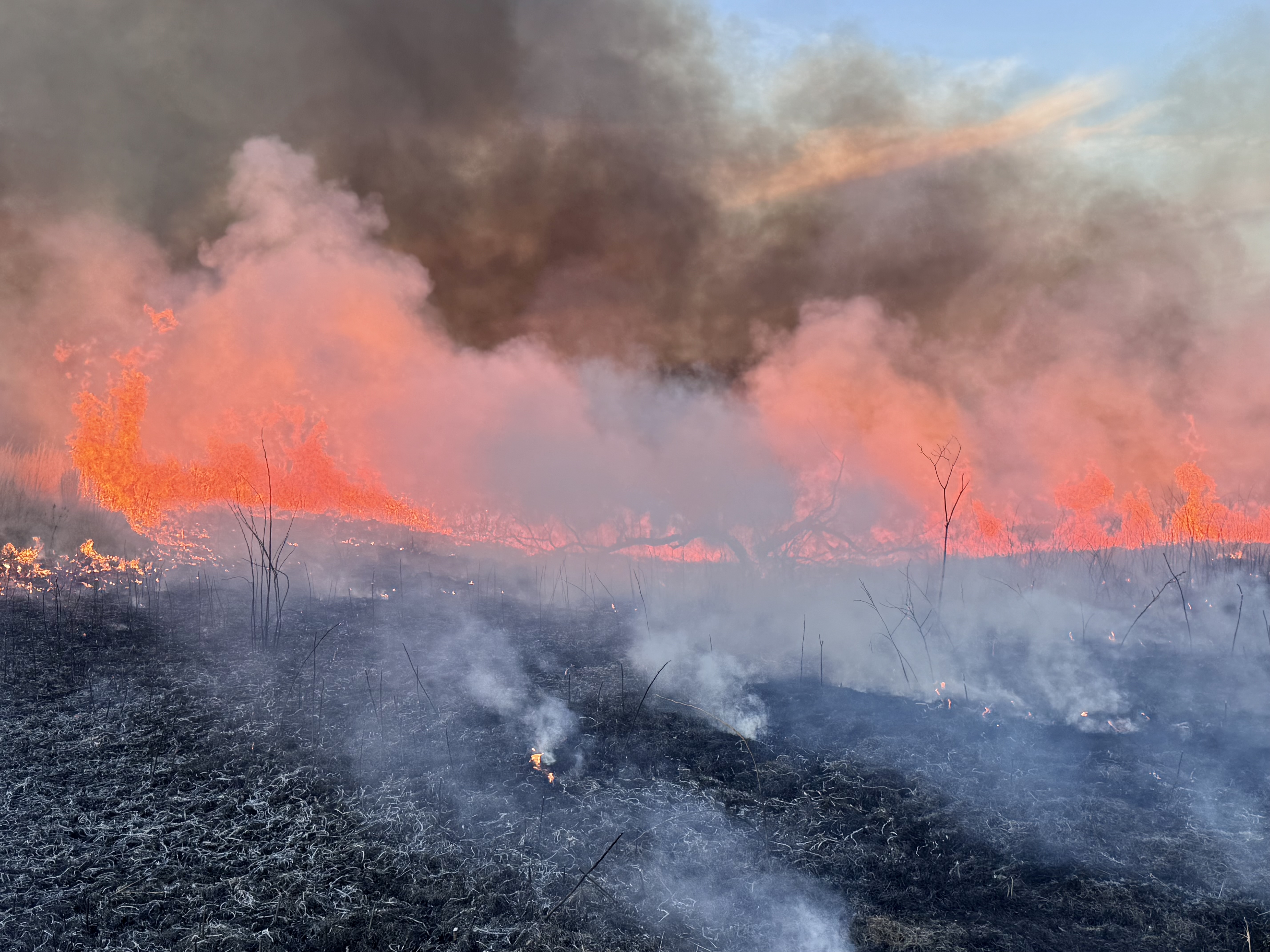
If you own land in Illinois, one of the most effective ways to improve it is also one of the most misunderstood:
Controlled fire.
When used correctly, fire is not destructive. It is a management tool that improves ground conditions, strengthens habitat, and directly impacts how a property performs—and how it is perceived by buyers.
Fire Is a Management Tool, Not a Risk When Done Correctly
Controlled burns have been used for decades in both prairie and timber management across the Midwest.
A properly executed burn will:
Remove leaf litter and built-up thatch
Return nutrients back into the soil
Reduce invasive and undesirable species
Improve ground-level visibility and access
Reset the property for new, healthier growth
This is not theory. This is standard practice in well-managed ground.
Better Ground Produces Better Growth
After a burn, the difference is immediate.
By removing the layer that blocks sunlight and suppresses growth, the property is able to respond the way it should.
You typically see:
Stronger native grasses
Improved browse
Healthier plant diversity
In prairie environments, burning maintains native stands. In timber, it cleans up the forest floor and promotes better overall conditions.
What It Looks Like After a Burn
One thing most people are not prepared for is what a property looks like immediately after a controlled burn.
For a period of time, it can look completely destroyed.
The ground is black. Vegetation is gone. It feels like the property has taken a step backward.
That phase is temporary.
Within a few weeks, especially with the right conditions, the property begins to respond. New growth starts to come through, and what comes back is often stronger, cleaner, and more beneficial than what was there before.
You begin to see:
Fresh green growth replacing dead material
Native grasses and plants reestablishing
Improved ground visibility with new structure forming
This is the reset point.
It is one of the reasons experienced landowners use fire as a management tool. They understand that short-term appearance does not reflect long-term improvement.
To someone unfamiliar, it can look like damage.
To someone who understands land, it is the beginning of better ground.
Habitat Quality Drives Recreational Value
For recreational properties, this is where burning becomes a major factor.
Better habitat leads to:
More consistent bedding areas
Increased food sources
More predictable wildlife movement
Buyers looking for hunting ground are not just evaluating acreage. They are evaluating performance.
A property that has been properly managed with fire will almost always show better long-term potential.
Buyers Need to See the Property to Understand It
One of the most overlooked benefits of burning is visibility.
After a controlled burn:
The property becomes easier to walk
Key features stand out
Layout and usability become clear
If a buyer cannot see a property, they cannot fully understand it.
Just like trail systems, burning helps guide a buyer through the ground. That directly affects how they perceive value.
This Is Part of a Larger Strategy
Controlled burning is not a one-time improvement.
It is part of long-term land management.
Over time, it helps:
Maintain usable ground
Prevent overgrowth
Improve access
Support stronger habitat conditions
This is how good properties become great properties.
Real-World Application Matters
This is not a concept. It is something I actively do.
This spring, I have burned both timber and prairie ground across multiple properties.
The results are consistent:
Cleaner ground
Better visibility
Improved access
Stronger response from native vegetation
When you manage land this way, the difference is obvious—not just to the owner, but to the next buyer.
Fire Requires Experience and Planning
Fire is a powerful tool, but it is not something to take lightly.
A controlled burn should only be done:
With a clear plan
Under the right conditions
With proper help and equipment
With a defined objective
Without those, it becomes dangerous quickly.
Done correctly, it is one of the most effective tools available. Done incorrectly, it creates risk.
Final Perspective
Land value is not created by chance.
It is created by:
How the property is managed
How it performs over time
How clearly a buyer can understand it
Controlled burning improves all three.
When done correctly, it does not harm the land.
It makes it better—and more valuable to the right buyer.
About the Author
Jared Williams is the Managing Broker of Archer Realty, specializing in agricultural, recreational, and rural property across Central, Eastern, and Western Illinois. He is a landowner, farmer, and property investor who actively manages his own ground, including habitat improvement, controlled burns, and property development. His approach is based on real-world experience, not theory.