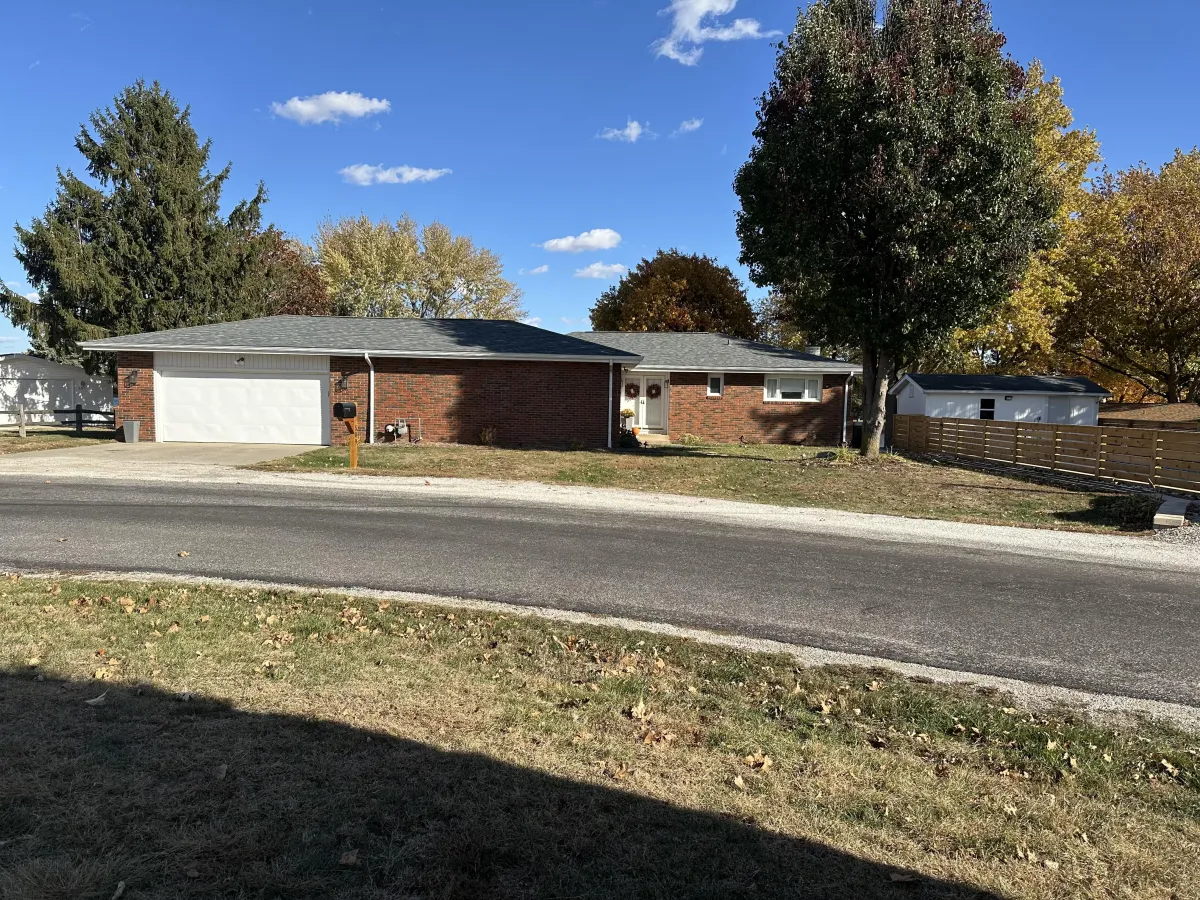
Why Chatham and Sherman Homes Are Still Selling Fast Despite Higher Springfield-Area Prices
What Is Driving Prices in Chatham and Sherman Right Now
Springfield-area median home prices have risen roughly 13 percent year-over-year, and Chatham and Sherman are at the front of that movement. The combination of school district reputation, proximity to Springfield employment, newer subdivision inventory, and limited available land for new construction has created demand that consistently outpaces the supply of homes coming to market. A Chatham home priced correctly in the current market is not sitting. It is receiving showings within days and offers within a week, and those offers are competitive — above list price, with minimal contingencies, from buyers who have been shopping long enough to know they cannot afford to be passive.
The 13 percent year-over-year price increase is real and it reflects the structural demand that has been building in these communities for years. It is not a speculative run-up driven by outside investment or unusual financing. It is local buyers — Springfield professionals, state government employees, healthcare workers — who want to live in communities with strong schools and manageable commutes and have the income to support higher prices. That buyer pool has not contracted, and the inventory being offered to meet it has not expanded materially. The math produces continued price appreciation even in a broader rate environment that is slowing markets elsewhere.
Who Is Buying in Chatham and Sherman This Fall
The active buyers in these two communities in fall 2026 fall into recognizable categories that a seller — and a competing buyer — should understand. The first is the move-up buyer from Springfield proper who sold a home earlier in the year at a good price and is using that equity to step up into Chatham or Sherman. These buyers are often pre-approved, have equity as a down payment buffer, and have been watching the market long enough to act decisively. They are the strongest competitors in a multiple-offer situation because their financing is solid and their motivation is high.
The second category is the first-time buyer or young professional who has been renting in Springfield, has accumulated a down payment through two or three years of intentional saving, and has identified Chatham or Sherman as the right long-term community for a family. These buyers are often working in a tight budget window and are more affected by the price increases than move-up buyers, but their motivation is equally high. The homes they are competing for in the $275,000 to $340,000 range are exactly the homes where competition is most intense because both buyer categories converge on the same inventory.
Relocation buyers — people moving to the Springfield area for employment, often with a tight timeline and a preference for established communities — are the third category and are disproportionately represented in Chatham. A buyer relocating from a higher-cost market sees Chatham prices as reasonable even at current appreciation levels and will move quickly and cleanly when they find the right home. They are worth understanding as a competitive factor because they do not have a Springfield home to sell, their financing is typically pre-arranged, and they often have flexibility on closing timeline that Springfield-based buyers do not.
What a Competitive Offer Looks Like in This Market
A buyer making an offer in Chatham or Sherman this fall in competition with other offers needs to understand that price alone does not win the offer. Sellers in these communities are evaluating certainty of close as heavily as they are evaluating price, and the offer that eliminates risk for the seller in a competitive situation is frequently the offer that succeeds.
Pre-approval from a local lender who knows the Sangamon County market is not optional in this environment. A pre-approval from a national online lender that the seller's agent has never interacted with creates uncertainty about the loan process and the closing timeline. A pre-approval from a local bank or credit union that the listing agent can call and confirm carries a different weight. When two offers are within $5,000 of each other and one buyer has local pre-approval and one has an online pre-approval, the seller frequently takes the local buyer.
Minimizing contingencies — not eliminating them recklessly, but minimizing the conditions that slow the transaction or give the buyer an exit — matters in a competitive situation. A buyer who is comfortable with a short inspection period rather than a standard two-week window signals to the seller that they are serious and prepared. A buyer who has reviewed the seller's disclosure, done a drive-by, and knows the neighborhood is in a position to move quickly after inspection without renegotiating on minor items that an informed buyer would have anticipated.
Escalation clauses are active in this market — offers structured to automatically increase in a defined increment above any competing offer up to a stated maximum. Whether to use an escalation clause depends on how much competition is expected on a specific property and whether the buyer can support the escalated price. Used correctly, an escalation clause signals confidence and willingness to compete without forcing the buyer to guess the winning number. Used incorrectly — at an aggressive maximum that overextends the buyer's actual qualification — it creates an accepted offer the buyer cannot close.
What to Do Right Now If Chatham or Sherman Is Your Target
Get your pre-approval current — reflecting the current rate environment, not the rate you discussed with a lender six months ago. Identify the specific neighborhoods and price ranges where you want to compete and ask your agent to set up automatic alerts for new listings so you are notified within hours of a property hitting the market rather than discovering it on a weekend scroll through Zillow. Visit properties quickly — the homes that sit in Chatham and Sherman are sitting for a reason, and the homes that move have showings within the first 48 to 72 hours of listing.
Have a conversation with your agent about your non-negotiables and your flexibles before you are in a multiple-offer situation. Knowing in advance which contingencies you can live without — and which you truly need — allows you to make a clean decision on offer terms when the clock is running rather than negotiating with yourself under pressure at 9:00 PM after a showing.
Mary Beth Williams serves buyers and sellers throughout the greater Springfield area and Menard County communities. She specializes in residential real estate in Sherman, Chatham, Williamsville, Athens, Petersburg, and surrounding communities. Start the conversation at archerrealty.net.