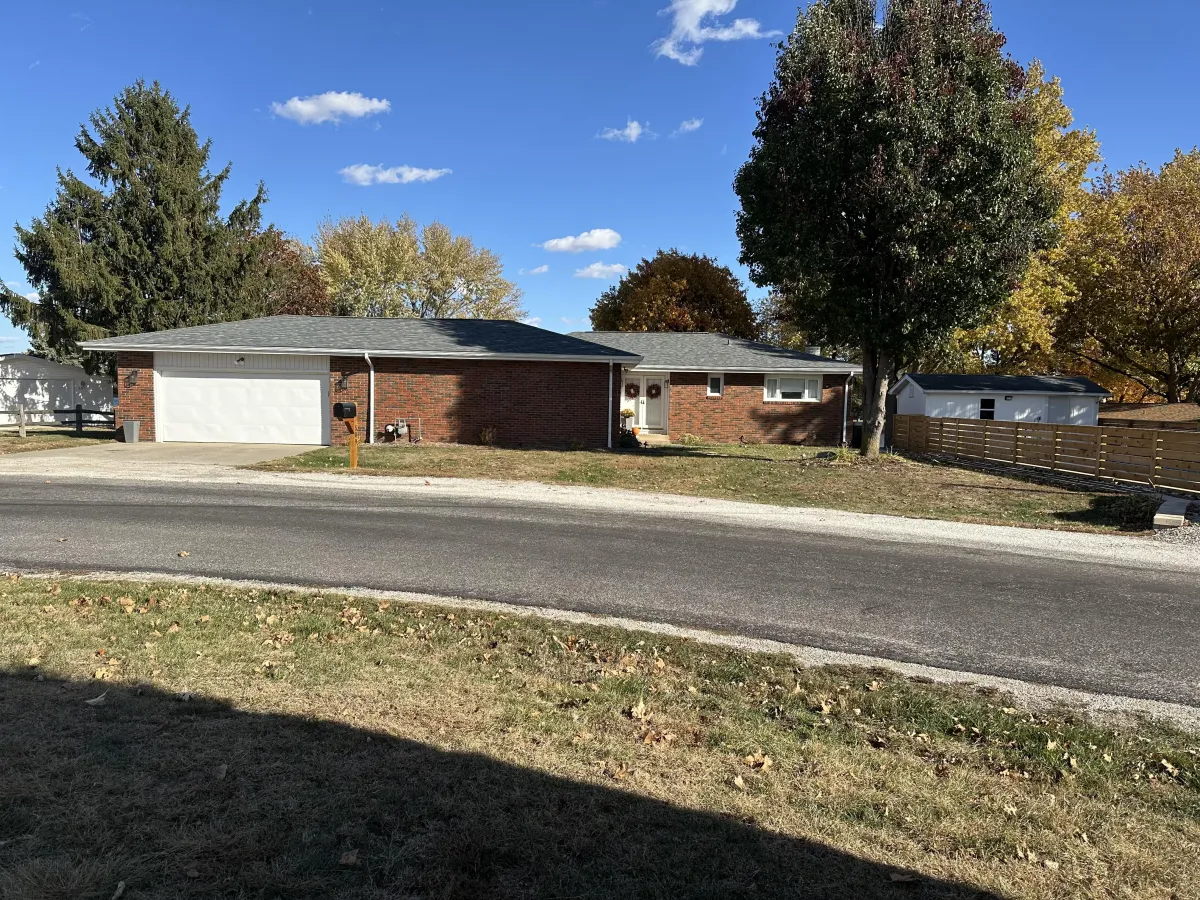
Buying a Home in Chatham or Sherman This Fall: What Days on Market and Rates Mean for Your Offer
Why Fall Is Still a Real Buying Window in Chatham and Sherman
There is a conventional assumption that fall is a slow time to buy a home, and in some markets that assumption is accurate. In Chatham, Sherman, and Williamsville, it is not. Families who did not find what they wanted during the spring and summer are still looking. Sellers who did not get their price in June are still on the market — sometimes with more realistic expectations. And the competition from first-time buyers who run out of energy after summer is lower, which means a well-prepared buyer in October can find better terms than they would have found in May.
The window before Thanksgiving is the last meaningful buying opportunity before the market slows through December and January. Buyers who go under contract in October or early November can close before the end of the year, which matters for anyone managing tax situations, lease terminations, or employer relocation timelines. After Thanksgiving, the seller pool shrinks and the motivated sellers on the market tend to be people who need to sell rather than people testing the market.
What Thin Inventory Means for Offer Strategy
Chatham and Sherman do not carry deep inventory at any point in the year, and fall tends to be thinner than spring. When a well-priced home comes to market in a specific price range, the buyers who were prepared — pre-approved financing, clear idea of what they want, and a realistic sense of what the market will bear — are the ones who get it. Buyers who need a week to arrange financing or who want to see it three times before deciding are the ones who lose it.
Pre-approval from a lender who can actually close on the timeline matters more in a thin market than in a deep one. A pre-approval letter from a lender who takes 45 days to close is a liability in a market where a competing offer comes with a 30-day close. Ask your lender specifically about their average time to clear title, appraisal, and final underwriting before you write an offer.
In a fall market, sellers are often weighing fewer offers simultaneously, which gives a prepared buyer more room to negotiate inspection terms and closing costs than they would have had in April. That room is real — it is just invisible if you are not asking for it because you assume the market is still as competitive as it was in spring.
Inspection Terms in a Fall Market
An inspection contingency is not optional on a home purchase in Chatham or Sherman regardless of the pace of the market. What changes in the fall versus the spring is how that contingency is written. In a hot spring market, buyers sometimes waive inspection rights entirely or agree to accept the property as-is above a defined repair threshold. In a fall market, you have more latitude to write a standard inspection contingency with a negotiation period.
The items that matter most in Sangamon County homes in the $250,000 to $450,000 range are the furnace, the roof, and any evidence of water intrusion in the basement or crawl space. A home that was built before 1990 should also be looked at for electrical panel capacity. These are not reasons to walk away from a purchase — they are negotiating points, and in a fall market a seller is more likely to credit a buyer at closing than they were in May.
Ask your inspector to give you an estimate on anything they flag, not just a description. A furnace that is 20 years old and working fine is a different conversation than a furnace that is 20 years old and failing. A number attached to the finding gives you and the seller something concrete to work from.
Financing Contingencies and What to Discuss With Your Lender
A financing contingency protects a buyer if the loan falls through. In the current rate environment, that protection matters. Confirm with your lender before you write an offer that your pre-approval reflects current rates, that your debt-to-income ratio is within conventional lending guidelines at those rates, and that your down payment source has been documented to underwriting standards.
The appraisal is the piece of a financing contingency that creates the most friction in a competitive offer. If you are offering above list price to win a multiple-offer situation, and the property appraises below your offer, you either need to cover the gap in cash, renegotiate with the seller, or trigger the financing contingency and walk. Knowing that in advance — and knowing how much of a gap you could cover — lets you make an offer with clear eyes rather than hoping the appraisal matches the price.
Rate lock timing is also worth discussing with your lender. A lock that expires before your closing date creates pressure to close on schedule regardless of what inspection or title issues come up during the contract period. Ask your lender how long the rate lock runs and what it costs to extend if the closing slips by a week. That answer matters in a fall market where a delayed closing can push into December and create its own complications around holidays and year-end schedules.
Call me if you are buying a home in Chatham, Sherman, Williamsville, or the broader Sangamon County market this fall. The strategy for a fall purchase is specific enough that it is worth a conversation before you start writing offers.
Mary Beth Williams is a licensed real estate agent with Archer Realty & Auction LLC serving buyers and sellers in Sangamon, Menard, and Morgan counties. Start the conversation at archerrealty.net.