Buying Farmland at Auction in Illinois: How to Prepare for a Fall Sale Day
Fall Auction Season and Why the Preparation Window Is Short
The fall farmland auction season in Illinois runs from late September through December, with a concentration of sales in October and November as executors settle estates, farm managers move year-end parcels, and landowners who decided in spring to sell reach the market. Fall 2026 auction listings include tracts in Scott, Morgan, Coles, Livingston, and neighboring counties, ranging from single-owner parcels to multi-tract estate liquidations with four or five distinct bidding units.
The preparation window between when an auction is announced and when bidders register on sale day is typically 30 to 45 days. That is not a comfortable window for a buyer who starts from scratch. A serious buyer on a fall auction is doing title research, financing pre-qualification, soil map review, and tenant status inquiry simultaneously — not sequentially. Understanding which steps take the most time and which carry the most risk allows a buyer to allocate the preparation period effectively.
Title and Legal Description: Start Here
The first thing to confirm on any Illinois farmland auction parcel is whether the seller has clear, marketable title. Request the property description from the listing broker and run it against the county recorder's records. Look for recorded easements — drainage districts, utility easements, field access easements held by neighbors — that will transfer with the deed. Look also at the history of ownership over the last 20 to 30 years for any transfers that appear unusual: quitclaim deeds that transferred title without consideration, tax sales, or gaps in the chain of title.
A title commitment, ordered through a title company, is the formal document that identifies defects or encumbrances in the chain of title before closing. On an auction parcel, the seller's attorney typically orders a title commitment as part of the auction preparation and makes it available to registered bidders. If it is not available before the auction, ask the listing broker when it will be ready and plan to review it before bid day, not after. Buying at a live auction bid is a binding commitment — a winning bidder who discovers a title problem after the auction does not have the same negotiating leverage they would have had before.
Financing: Get Pre-Qualified Before the Auction
Illinois farmland auction sales require a signed purchase agreement and an earnest money payment — typically 10 percent of the purchase price — on the day of the auction. A bidder who wins and cannot close forfeits the earnest money. That is not a theoretical consequence; it is enforced, and it means that a buyer who wins a $2 million auction parcel owes $200,000 in earnest money at the end of the day and must close within 30 to 45 days regardless of whether their financing came through.
A pre-qualification letter from a lender who has reviewed your financial statement, confirmed your available funds for down payment and earnest money, and understands the timeline and earnest money structure of an Illinois farmland auction is the minimum preparation. A formal loan commitment before the auction — not just pre-qualification — is better. Agricultural lenders in Illinois who regularly finance farmland auctions understand the earnest money and closing timeline and can often move faster than a lender unfamiliar with the auction process.
If you are financing with an FSA guarantee, a Farm Credit System lender, or an SBA-backed agricultural loan, confirm your timeline with that lender explicitly. Federal program financing sometimes carries processing times that are incompatible with a 30-day auction closing window, and discovering that after the auction is not a workable situation.
Soil Maps, Tile, and Drainage District Obligations
Pull the USDA Web Soil Survey for the parcel before the auction. The soil productivity index — a weighted average of the soil types and their productivity ratings — tells you how the parcel compares to county average ground and drives the cash rent and capitalized value calculation. A parcel with a weighted average PI of 125 is worth less per acre than one with a PI of 140, and the difference is not trivial at current farmland prices.
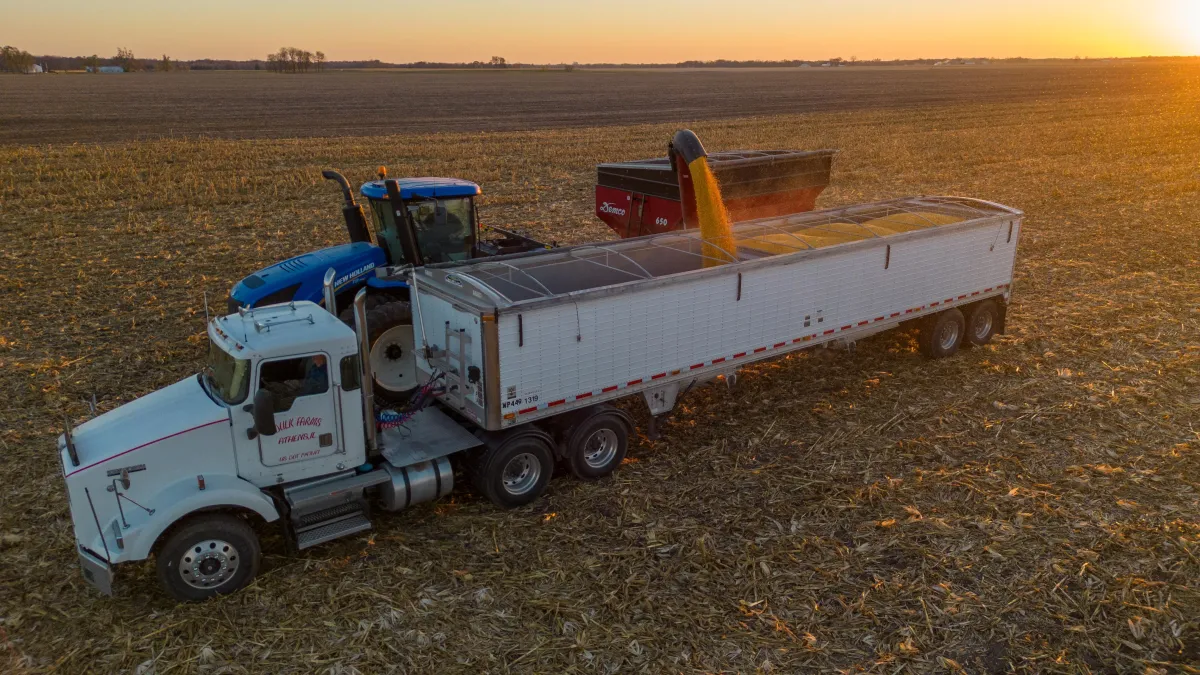
Ask the listing broker for any tile maps or drainage district records available for the parcel. Harvest is the best time to identify wet spots, slow drainage, and failed tile runs — combines and grain carts reveal soil conditions that are invisible from the road. A parcel that has been marketed without tile documentation should be walked by a buyer or the buyer's agronomist before the auction. A failing tile run on an otherwise productive parcel can cost $1,500 to $3,000 per acre to repair, and that cost should be priced into the ceiling bid, not discovered after closing.
Confirm whether the parcel lies within a drainage district. Drainage district assessments are annual obligations that transfer with the deed, and some districts have pending capital projects that could produce special assessments in the near term. The county drainage district records are public and available before the auction.
Tenant Status and What the Buyer Owns on Closing Day
A farmland parcel that is rented to a tenant is sold subject to the existing lease unless the sale materials specify otherwise. A buyer who closes on a tenanted parcel in November of 2026 owns the ground but may not be able to farm it themselves or lease it to a new tenant until the existing lease terminates — which, for an Illinois year-to-year farm tenancy, requires notice before November 1 for termination the following crop year.
Ask the listing broker specifically: is the parcel subject to a lease? What are the lease terms and when does it terminate? If the current tenant has the 2026 crop in the ground at the time of closing, the crop belongs to the tenant — the buyer does not acquire the standing grain, only the land and whatever rights the lease establishes for the post-harvest period. Confirm also whether any CRP contracts cover any portion of the parcel, as CRP contracts transfer with the deed and carry their own compliance obligations for the new owner.
Setting a Ceiling Price Before Bid Day
A farmland auction produces a price in a compressed, competitive environment. The moment to think clearly about what a parcel is worth to you is not when the auctioneer is calling bids and your competing bidder just raised by $200 per acre. It is in the two weeks before the auction, with a soil map, a comparable sales analysis, and a financing cost calculation in front of you.
Set a ceiling price per acre before you walk into the auction and commit to it. The ceiling is the number above which you would rather not own the parcel than own it at that price — a number that reflects what the ground can produce over time, what you are paying in financing costs, and what the realistic exit value is. A buyer who bids $1,000 per acre above their ceiling because the room felt competitive made an emotional decision that a ceiling was designed to prevent.
Call Archer Realty if you are preparing to buy at a fall farmland auction in Illinois. We serve buyers in Scott, Morgan, Coles, Sangamon, Menard, Mason, and neighboring counties, and we can help you review due diligence materials, evaluate tile and drainage, and set a realistic ceiling based on current market comparables.
Jared Williams is the Managing Broker, licensed auctioneer, and owner of Archer Realty & Auction LLC, serving agricultural land buyers and sellers across western and central Illinois for more than a decade. Start the conversation at archerrealty.net.