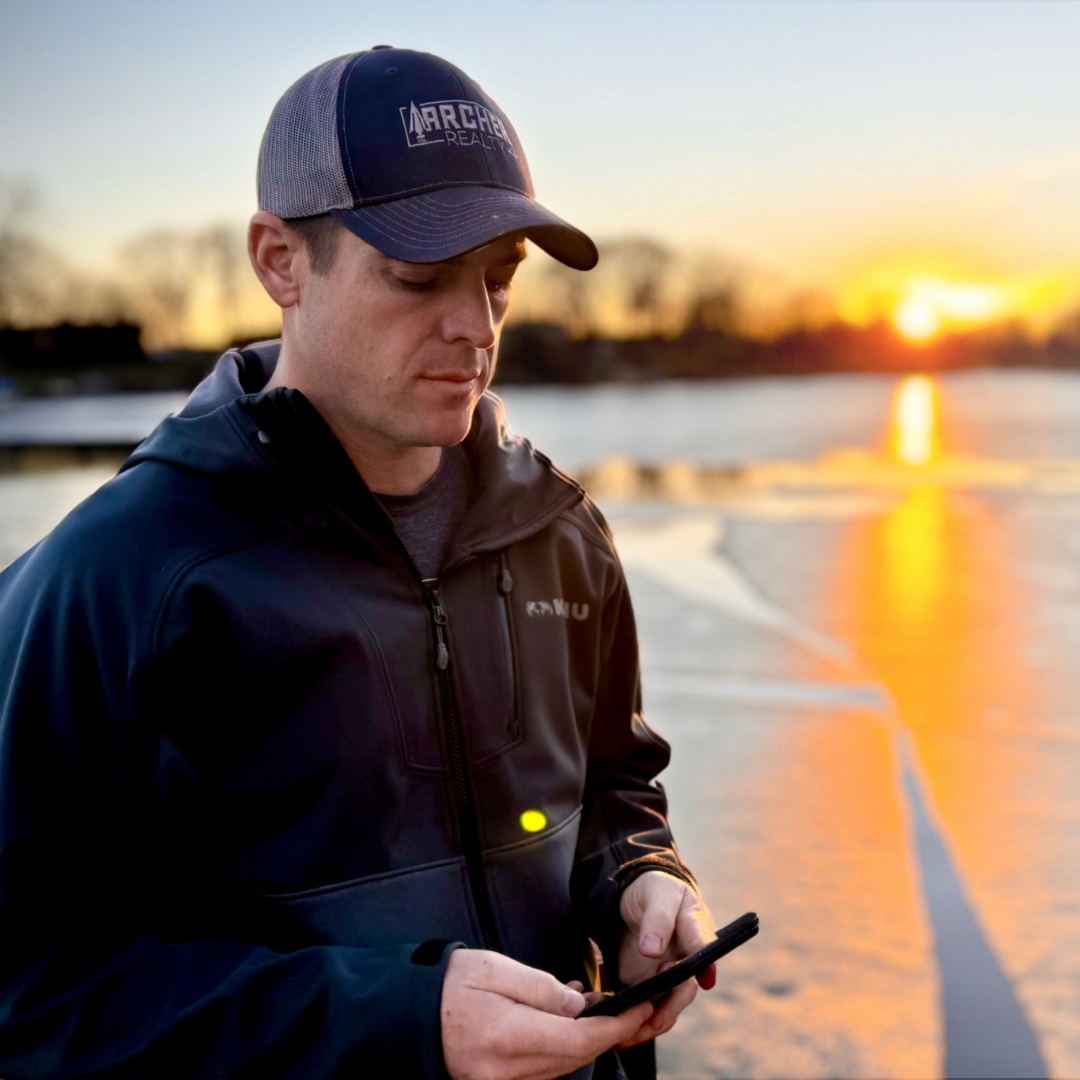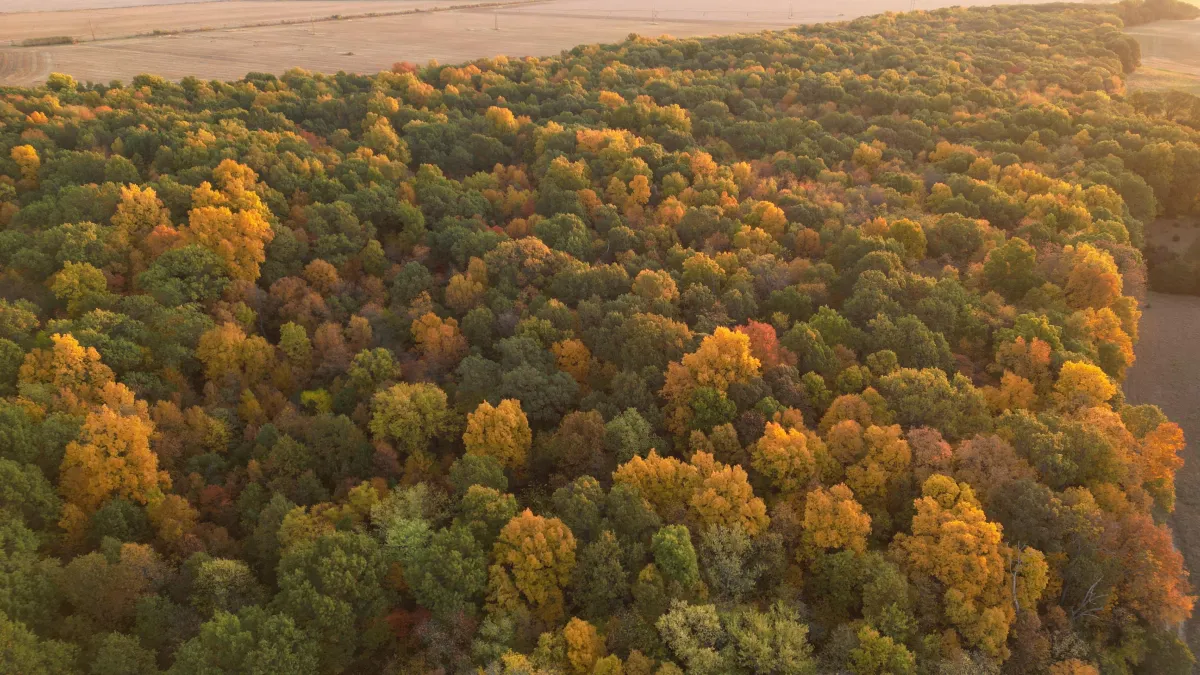
You Can't Bait Whitetails in Illinois. So You Build Conveniences.
Why a small mowed strip along the edge of a pond does more work than most hunters realize.
Most hunters in Illinois know the rule — you can't bait. What most don't think about is what that constraint forces you to become better at.
The Illinois Problem Most Hunters See as a Limitation
Baiting is the lazy version of what habitat management actually requires. If you can't pile corn in a spot and wait, you have to think differently about how to get a deer where you want them.
That's not a limitation. That's an upgrade in how you understand the property.
Conveniences Beat Baits
The shortcut isn't food. It's friction.
Deer will always pick the easier path through cover. If everything around them is thick and wooly, they're going to walk wherever the work is lowest.
That's what mowing a small strip along the edge of a water source does. The pond holds them on the property. The mowed strip directs them through one specific corridor. They'll choose that path over the harder one — every time.
You haven't fed them anything. You haven't broken any rules. You've just made one route slightly easier than the alternatives. Behavior follows the easier path.
Where the Camera Goes
This pond filled up this spring after great rains. Built it last year — habitat improvement, water for wildlife. The work paid off twice.
Now I mow a small strip along one edge. Leave the rest wooly. The cell camera sits exactly where the mowed line meets the water.
The deer come through the strip because it's easier. They get a drink. They get their picture taken. I get scouting data without ever setting foot on that part of the property and blowing it out.
What This Does for the Property
Habitat management is doing the work that lets the animal do what it would naturally do — in a place you can document it. The deer aren't responding to anything artificial. They're just taking the path of least resistance. You've engineered which path is easiest.
This is what makes a property perform. Not the acreage. Not the timber alone. The small intentional decisions about where animals will move once they're there.
If you're evaluating recreational ground in central Illinois — or trying to make ground you already own perform — that's the lens. Where are you creating conveniences? Where are you forcing animals through paths you can document?
The work is small. The compound effect over a season is significant.
Jared Williams is the Managing Broker of Archer Realty, a land and rural property brokerage serving central and greater Illinois. He is a landowner, farmer, licensed auctioneer, and land manager who farms his own ground and manages properties across Cass, Menard, Sangamon, Macoupin, Greene, Morgan, Fulton, and surrounding counties. He spent 13 years hunting professionally and evaluates recreational ground the way a serious buyer should — habitat, access, neighbor pressure, timber value, and long-term potential. Start the conversation at archerrealty.net.